Tuesday, September 22 (9:30 AM – 10:30 AM EDT)
As interest in microplastics in the food supply continues to grow, so does the need for fit-for-purpose analytical methods. Join experts from government, research and industry as they discuss the current state of analytical methodologies, key challenges to generating reliable and comparable data, and opportunities to standardize approaches to microplastics analysis in food.
Free webinar
Webinar Abstract
As interest in microplastics in the food supply continues to grow, there is an increasing need for reliable, standardized analytical approaches capable of producing accurate and comparable data across laboratories and food matrices. While significant progress has been made in the analysis of microplastics in environmental samples, analytical methods for food face unique challenges related to complex matrices, sample preparation, validation, and quality assurance.
Co-hosted by AOAC INTERNATIONAL and the Institute for the Advancement of Food and Nutrition Sciences (IAFNS), this webinar will examine the current state of microplastics analysis in food from analytical, regulatory, and standards development perspectives. Expert speakers will discuss current analytical techniques, sample preparation workflows, validation considerations, reference materials, and key sources of laboratory variability affecting data quality and comparability. The webinar will also highlight current research priorities, regulatory perspectives, and opportunities for method harmonization to support future standards development.
Through presentations and a panel discussion, participants will gain a better understanding of the current analytical landscape, the challenges that remain, and the collaborative efforts needed to advance fit-for-purpose methods for microplastics analysis in food.
Speakers
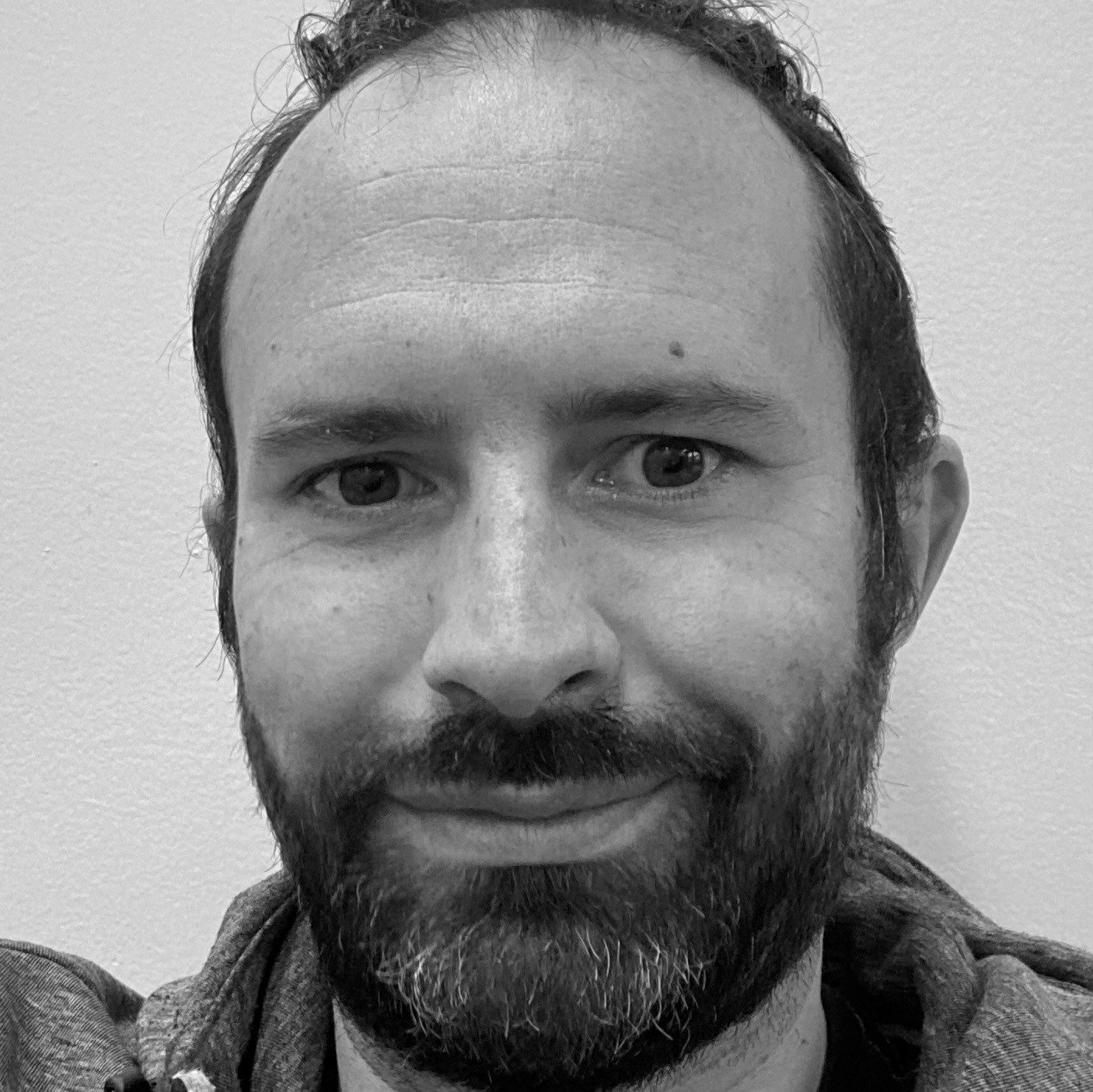
Stéphane Dubascoux, Société des Produits Nestlé S.A.
Stéphane Dubascoux obtained his PhD (Analytical Chemistry and Environment) in 2007 at the IPREM (University of Pau – France). He was teaching assistant at the University of Pau from 2007 to 2009. He was then research engineer & responsible of an analytical platform at Montpellier SupAgro (France) from 2009 to 2012. Since 2012, he is working at Nestlé Research in Lausanne (Switzerland), now leading Micronutrients and Phytochemicals Analytics Department within the Nestlé Institute of Food Safety and Analytical Sciences. His main topics are inorganic analytical chemistry (including speciation) applied on various food and biological matrices and hyphenated techniques as well as micro particles & plastics analysis. Stéphane Dubascoux is part of the AOAC INTERNATIONAL Metals Community and Metals Working Group Co-Chair.

Timothy Duncan, Research Scientist, U.S. Food and Drug Administration’s Human Food Program
Timothy Duncan received his undergraduate degree in chemistry in 2000 from Haverford College, located just outside of Philadelphia. He attained his Ph.D. in physical/inorganic chemistry in 2006 from the University of Pennsylvania, where he studied conjugated porphyrin arrays designed for optoelectronic applications under Professor Michael J. Therien. He then did a post-doctoral fellowship at the University of Pennsylvania in the lab of Professor So-Jung Park. There he studied quantum-dot based bio-imaging agents and color-tunable fluorescent polymers. Since 2009 he has been a research scientist at the U.S. Food and Drug Administration’s Human Food Program, where he leads a research team investigating the safety of nanotechnology-enabled plastics. He is a designated subject matter expert in nanotechnology, food contact materials, and microplastics.
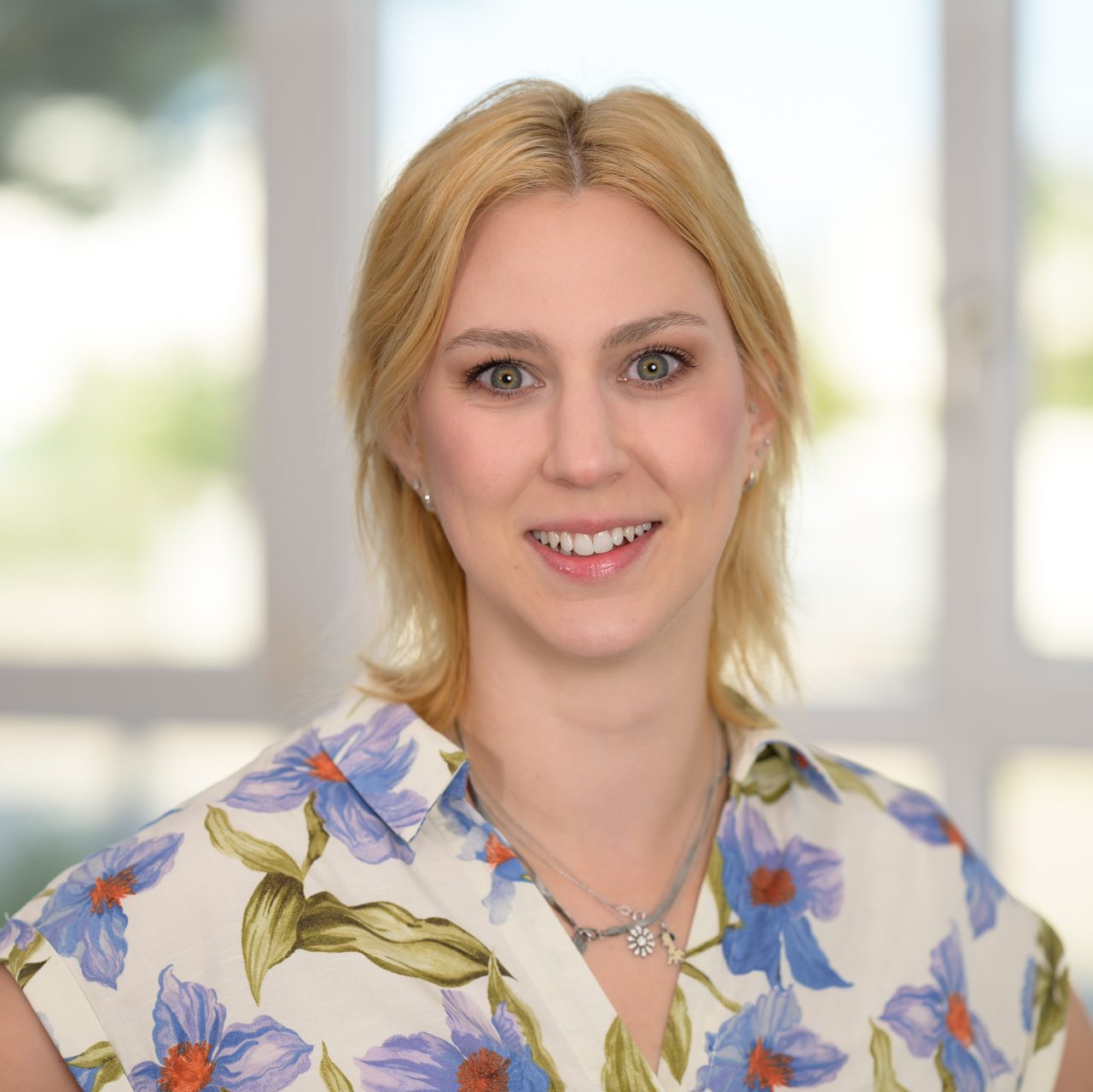
Dr. Eva Cseperke Vizsolyi, Research Engineer, Austrian Research Institute for Chemistry and Technology (OFI)
Eva Vizsolyi is an analytical chemist specializing in microplastics analysis and environmental chemistry. She is currently an Engineer at the Austrian Research Institute for Chemistry and Technology (OFI) in Vienna, where she develops analytical methods for detecting microplastics in complex food products. Before joining OFI, she was a postdoctoral researcher at the University of Bayreuth, focusing on innovative methods for microplastics analysis in food and environmental samples. Her current projects address the analytical challenges posed by complex sample matrices, contributing to the development of more reliable and standardized methods that will support future advances in microplastics analysis across research, industry, and regulatory applications.