Risk Communication: Navigating Misinformation through Science
Thursday, April 9, 2026, at 11:00 AM – 12:00 PM ET
FREE
Course Description
Building trust in communication science has never been more essential—or more challenging. This webinar brings together leading experts to explore how scientific evidence can be translated into messages that resonate with diverse audiences. Through a series of focused presentations, attendees will gain insight into the psychology of communication, the nuances of explaining risk versus hazard to consumers, and the role of science-based strategies in shaping effective public messaging.
The program features perspectives from communication scientists, government officials, and early‑career professionals, offering a multi‑generational look at the future of risk communication. From practical strategies for navigating complex conversations to real‑world examples of science‑supported public health messaging, this session equips participants with tools to communicate more clearly, confidently, and credibly.
Designed for scientists, regulators, industry professionals, and students alike, this event provides a timely exploration of how evidence-based communication can bridge the gap between scientific understanding and public perception—ultimately strengthening trust and improving decision‑making across the food and public health sectors.
Agenda
- Welcome from AOAC
- Communication Science- Effective strategies for complex discussions-Erin Whitteck, Bayer
- Risk Communication Research-Communicating Risk vs Hazard-Tony Flood, International Food Information Council (IFIC)
- Communication in Government/Public Health (How Science can support messaging)- Jason Kong- Ohio Department of Agriculture
- Risk Communication for the Next Generation- Conversations with Students and Early Career Scientists-Thomas Gude, Europe Section
- Q&A
Course Instructors

Anthony “Tony” Flood, Sr. Director Ingredient Communications, directs International Food Information Council (IFIC)’s Food and Ingredient Safety portfolio of issues. In this role, he leads strategic science communications and public outreach efforts on food and ingredient safety, chemicals in food, allergen management and food regulation. Key activities include managing outreach to health professionals, developing consumer resources, implementing rapid response strategies on emerging issues, and leading a diverse network of industry stakeholders to build consensus on risk/science communication and public outreach activities in response to consumer and public interests. Within the 30 years of Tony’s employment at IFIC, he continues to play an integral role for the organization by creating and nurturing external partnerships and collaborations. He represents IFIC with the Partnership for Food Safety Education, JIFSAN’s Center for Food Safety and Secure Systems where he is a member of the Advisory Council and serves as an Advisor to the Consumer Federation of America (CFA) National Food Policy Conference. Tony is a member of IAFP and IFT. Tony is a graduate of James Madison University, Harrisonburg, VA, where he received a BS degree in Communications in 1986.
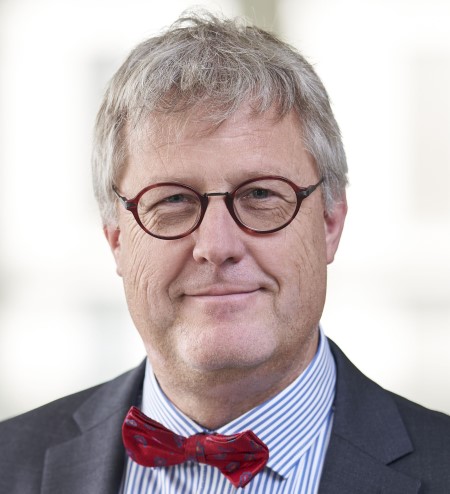
Thomas Gude is the founder of the consultancy service Thomas Gude GmbH, specializing in food contact material, food and non-food Regulations, Chemical Analysis and Risk Assessments. After studying food chemistry in Berlin, Germany, followed by a PhD at the Federal Health Service, Berlin, he has been working for an EU Reference Laboratory and for more than 10 years in pharmaceutical and chemical industry in various research and development positions (chemical analysis, toxicology, pharmacokinetic) as well as in quality assurance. The last 20 years he has been working as Dep. Head for SQTS, Switzerland, responsible for the food and non-food testing laboratories. In addition, he is giving lectures at several institutions/Universities like ETH Zürich in food safety and analytical (food) chemistry. Currently, he is president of the Swiss Society for Food Chemistry (SFC) and president of the AOAC Europe section besides other mandates in several organisations.
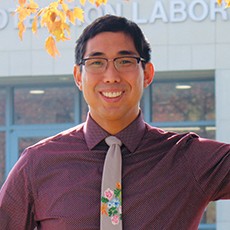
Jason Kong is the Director for the Consumer Protection Laboratory (CPL) with the Ohio Department of Agriculture (ODA). Jason has worked in CPL since 2013 as a Chemical Laboratory Supervisor. He was appointed to the Director position in 2021. Jason oversees all chemical and microbiological testing of agricultural products conducted in CPL for many regulatory divisions in the agency, including Plant Health, Food Safety, Dairy, Meat Inspection, and others. The laboratory also serves the public. He works with the US EPA, USDA, and FDA to fulfill laboratory responsibilities related to maintaining the safety of the national food supply. Jason obtained a B.S. in Chemistry from the University of California, Berkeley in 2005 and an M.S. in Chemistry from Cornell University in 2008. He has been a member of AOAC INTERNATIONAL since 2011 and was President of AOAC Central Section from 2014-2016.
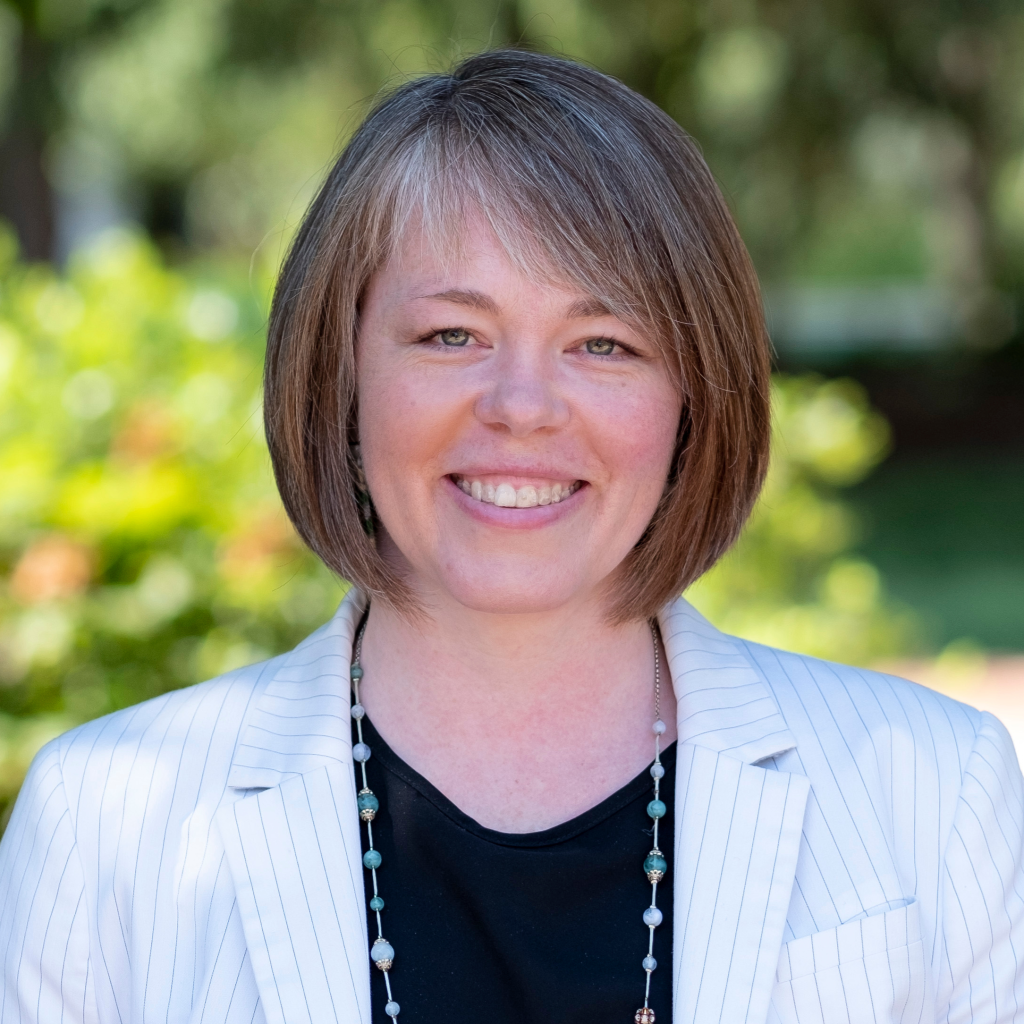
Erin Whitteck, Ph.D., is a chemist with 15 years of experience in higher education, where she taught general and organic chemistry across a range of institutions, from large research universities to community colleges. These diverse environments strengthened her ability to communicate complex scientific concepts with precision while tailoring messages to the needs, backgrounds, and expectations of different scientific learners.
During her academic career, Dr. Whitteck also served as Assistant Director of a Center for Teaching and Learning, leading institution‑wide professional development, advancing teaching and learning strategy, and designing evidence‑based programs that supported faculty across disciplines. Her work earned recognition through teaching awards and resulted in peer‑reviewed publications in chemistry, chemistry education, and educational development.
Dr. Whitteck is now a Science Engagement Lead in Regulatory Policy and Stakeholder Engagement at Bayer Crop Science. She not only collaborates with scientists and policy experts to strengthen the clarity and rigor of technical communications but also plays a strategic role in shaping how the organization engages with scientific and regulatory stakeholders. Her work helps teams proactively identify engagement opportunities, refine narrative strategy, and ensure that emerging technologies are communicated in ways that support evidence‑based regulatory understanding.