Analytical Science Leaders and More Honored at 139th AOAC Annual Meeting
AOAC is recognizing hundreds of scientists for their contributions to the Association and the analytical community at the 139th AOAC Annual Meeting and Exposition in San Diego, California, USA, on Monday, August 25, 2025. AOAC awards honor scientific excellence across the Association activities, including method development, expert review panels (ERPs), technical services, scientific papers, editorial contributions, and student engagement.
AOAC congratulates all the winners of the 2025 AOAC awards!
MEMBER RECOGNITION AWARDS
OFFICIAL METHODSSM PROGRAM AWARDS
STUDENT AWARDS
AOAC INTERNATIONAL/Eurofins Foundation “Testing for Life” Student Award
AOAC INTERNATIONAL/Herbalife Scholarship
Harvey W. Wiley Scholarship
2025 First-Time Poster Contest Winners
Harvey W. Wiley Award
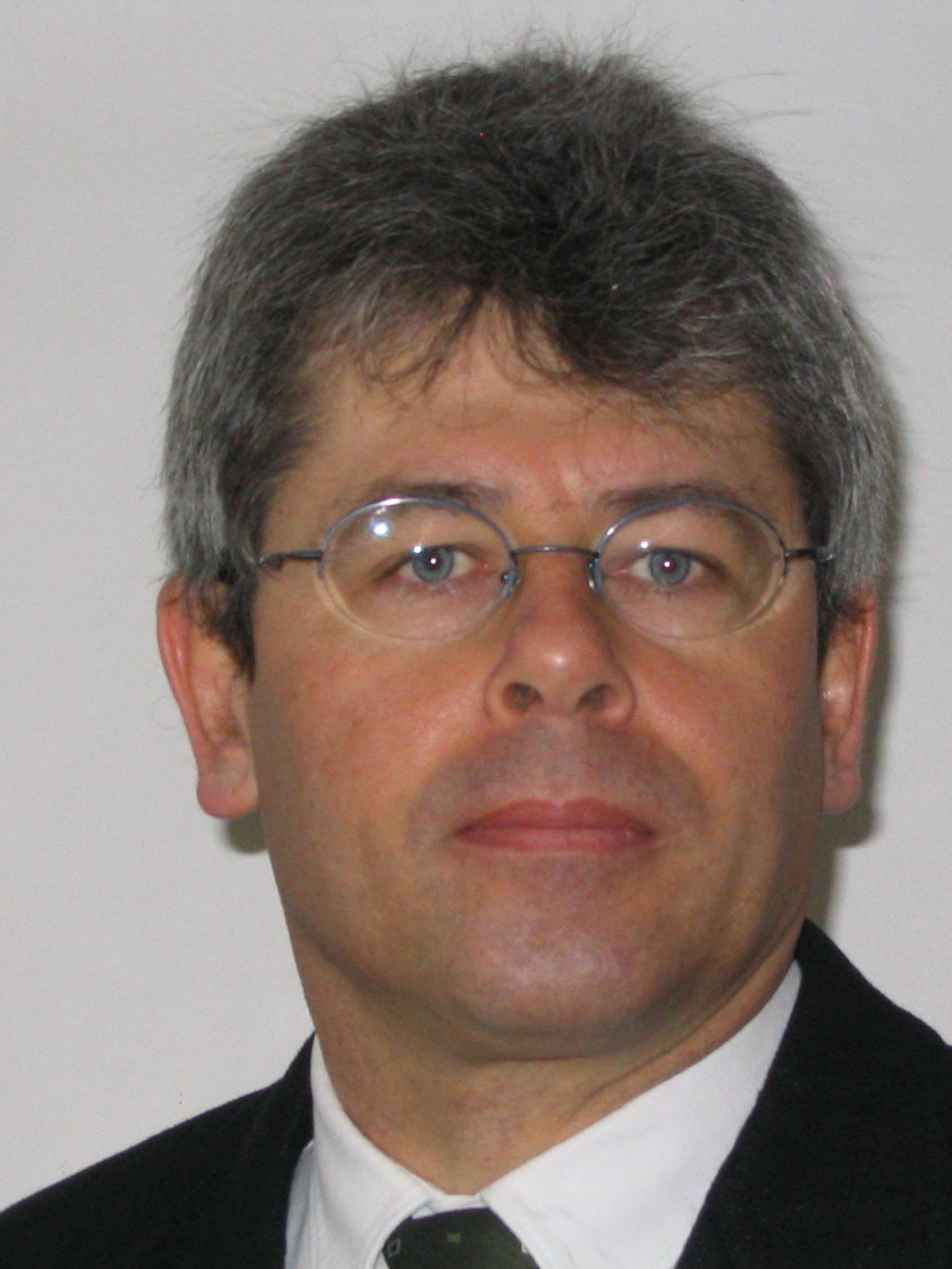
Presented to: Eric Verdon, French Agency for Food, Environmental and Occupational Health and Safety (ANSES), National and European Union Reference Laboratory (EU-RL) for Veterinary Medicinal Products (VMP) Antibiotic and Dye Residues in Food from Animal Origin, Fougères, France
AOAC INTERNATIONAL proudly presents Dr. Verdon with the 2025 Harvey W. Wiley Award, the Association’s highest honor for lifetime scientific achievement. He is the head of the EU-RL for VMP Antibiotic and Dye Residues in Food from Animal Origin. He also heads up the French national reference laboratory at ANSES.
Verdon is a French chemist who has devoted much of his career to developing and validating ever-better methods for screening for veterinary drug residues and related substances in everything from meat to eggs, honey, urine, animal feed, and shellfish. He has been involved in some significant developments to analyze chemical contaminants and, in particular, veterinary drug residues in foods from animal origin.
Verdon co-chairs a scientific session at the AOAC Annual Meeting each year, dedicated to various issues related to veterinary residues and other chemical contaminants in food. A member for 25 years, he served on the AOAC Official Methods Board for two terms, from 2017 to 2023, and participates on various AOAC expert review panels (ERPs), including the ERP on Veterinary Drug Residues. In 2012, the group was awarded ERP of the Year. Verdon also received an AOAC Method of the Year award in 2016 for Official MethodSM 2012.25, the first AOAC method dedicated to the control of critical pharmacologically active dye residues in aquaculture products by HPLC-MS/MS, and a Fellow of AOAC INTERNATIONAL award in 2018.
The Harvey W. Wiley Award, a highly esteemed recognition, acknowledges scientific excellence and offers significant benefits, including a monetary prize, award plaque, and reimbursement of travel expenses for attending the AOAC Annual Meeting and Exposition.
OFFICIAL METHODSSM PROGRAM AWARDS
Technical Service of the Year Award
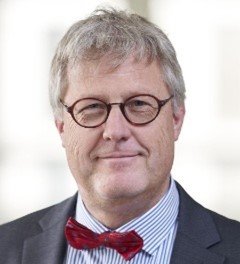
Presented to: Thomas Gude, Thomas Gude GmbH, Aarau Rohr, Switzerland
Dr. Gude has served as president of the AOAC Europe Section for the 2022-2025 term, leading key initiatives focused on nontargeted testing and the application of bioassays in food analysis. His leadership has included organizing workshops and actively participating in steering committees and working groups, significantly energizing the section and strengthening its connection to AOAC INTERNATIONAL.
In addition, Gude has served as co-chair of the AOAC Working Group on PFAS in Food Contact Materials, contributing scientific expertise through presentations at AOAC meetings, as well as a dedicated webinar.
He has also co-organized a symposium on novel foods in collaboration with NMKL. Gude continues to support the AOAC initiative on bioassays as it transitions from a regional section-led effort to a broader organizational program. His exemplary volunteer service lays the groundwork for how analytical challenges faced by AOAC sections can transition into AOAC science programs.
Award in Recognition of Technical and Scientific Excellence

Presented to: AOAC Gluten and Food Allergens (GFA) Program Working Group on Food Allergens
Chair: Melanie Downs, University of Nebraska-Lincoln, Food Allergy Research and Resource Program, Lincoln, Nebraska, USA
Working Group: Laura Allred, Gluten Intolerance Group; Jeffery Ambrose, Eurofins Analytical Labs; Natalija Atanasova-Pancevska, Sts Cyril and Methodius University, Faculty of Natural Sciences and Mathematics, Skopje, North Macedonia; Justin Bickford, ELISA Technologies, Inc.; Amanda Brookhouser-Sisney, Midwest Laboratories; David Bunk, NIST; Oscar Cabrices, G-Flo Scientific; Jennifer Canale, U.S. Food & Drug Administration NFFL; Chamali Kodikara, University of Manitoba; Krizalis Encarnacion, Arte Sano, LLC; Harry Feng, Eurofins Scientific; Katherine Fiedler, US FDA; Richard Fielder, Bio-Check (UK); Patricia Galan, ZEULAB; Steven Gendel, Gendel Food Safety LLC; Terry Goddard, EnviroLogix; Ashley Green, NIST; Simon Hird, Waters; Lawrence Hone, ALS Laboratories; Gabrielle Jackson, Neogen Corporation; Xingyi Jiang, Florida State University; Philip Johnson, University of Nebraska, Lincoln; Ido Keren, Romer Labs; Nazir Khan, Amulet Inc.; Kimberlee Klosowski, Danone North America; Jasmine Lacis-Lee, BVAQ; Markus Lacorn, R-Biopharm AG; Huei Hong Lee, Waters; Siheng Li, Eurofins; Susan McCarthy, Sanitarium Health Foods; Anastasia Meimaridou, DFSC- Groupe Danone; Linda Monaci, CNR; Sneha Nathani, Avena Foods; Brian Nelson, Medallion Laboratories / General Mills; Yasutaka Nishiyama, Research Institute for Quality Living Co.,Ltd; Chiara Nitride, University of Naples; Larry Pessolano, Envirologix; Melissa Phillips, NIST; Roland Poms, MoniQA Association; Bert Popping, FOCOS; Cinthia Anyela Ramos Ynjante, Inspectorate Services Peru S.A.C; Qinchun Rao, Florida State University; Jason Robotham, Biofront Technologies Inc.; Adrian Rogers, Romer Labs; Brooke Roman, Neogen; Cristina Romero, Eurofins Technologies (Eurofins Ingenasa and Eurofins Immunolab); Zachary Schwingel, Neogen; Jennifer Sealey Voyksner, ImmunogenX, Inc.; Girdhari Sharma, US FDA; Jeffrey Shippar, Eurofins; Akanksha AwadheshPratap Singh, The University of Adelaide; Parminder Singh, Singh Bees Farming; Daniel Smieszek, Nestle; Arthur Trombley, EnviroLogix, Inc.; Christof Van Poucke, Flanders Research Institute for Agriculture, Fisheries and Food; Marjan van Ravenhorst, Allergenen Consultancy; Danilo Vela, Particular; Akshay Vidwans, Envirologix; Michael Walker, Michael Walker Consulting Ltd; Robyn Walker, I2FAST Ltd; Paul Wehling, General Mills, Inc.; Thomas Weiss, R-Biopharm AG;
The AOAC GFA Program was launched in 2020 with the goal of developing comprehensive method validation guidelines to address the lack of information for qualitative methods for food allergens and to fill gaps due to implementation and validation of methods using new AOAC Standard Method Performance Requirements (SMPRs®) for food allergen methods.
Two working groups were established, one of which focuses on food allergens. This working group is one of the largest and most engaged in developing AOAC standards. In 2023, the group completed the standard guidelines, “Guidance on Food Allergen Immunoassay Validation,” which encompass both qualitative and quantitative method validation. The guidance also includes updated study designs and statistical approaches and features preparation guidance for sample development and example matrices.
The standard guidelines were approved and published in 2024, replacing “Validation Procedures for Quantitative Food Allergen ELISA Methods: Community Guidance and Best Practices” (Appendix M of the Official Methods of AnalysisSM) that was originally published in 2010. Since its publication, the guideline has been used as a resource for reviewing methods in CCMAS electronic working groups (eWGs). The guidelines provide information to the AOAC food allergens community on validating food allergen immunoassays, which has not previously been addressed by other validation guidelines.
Dr. Downs, associate professor, is accepting the award on behalf of the working group. Working group members will receive an award electronically.
The award recognizes a team or working group for publication of a significant document or other body of work demonstrating a unique or noteworthy level of technical and scientific expertise.
Expert Review Panel (ERP) of the Year

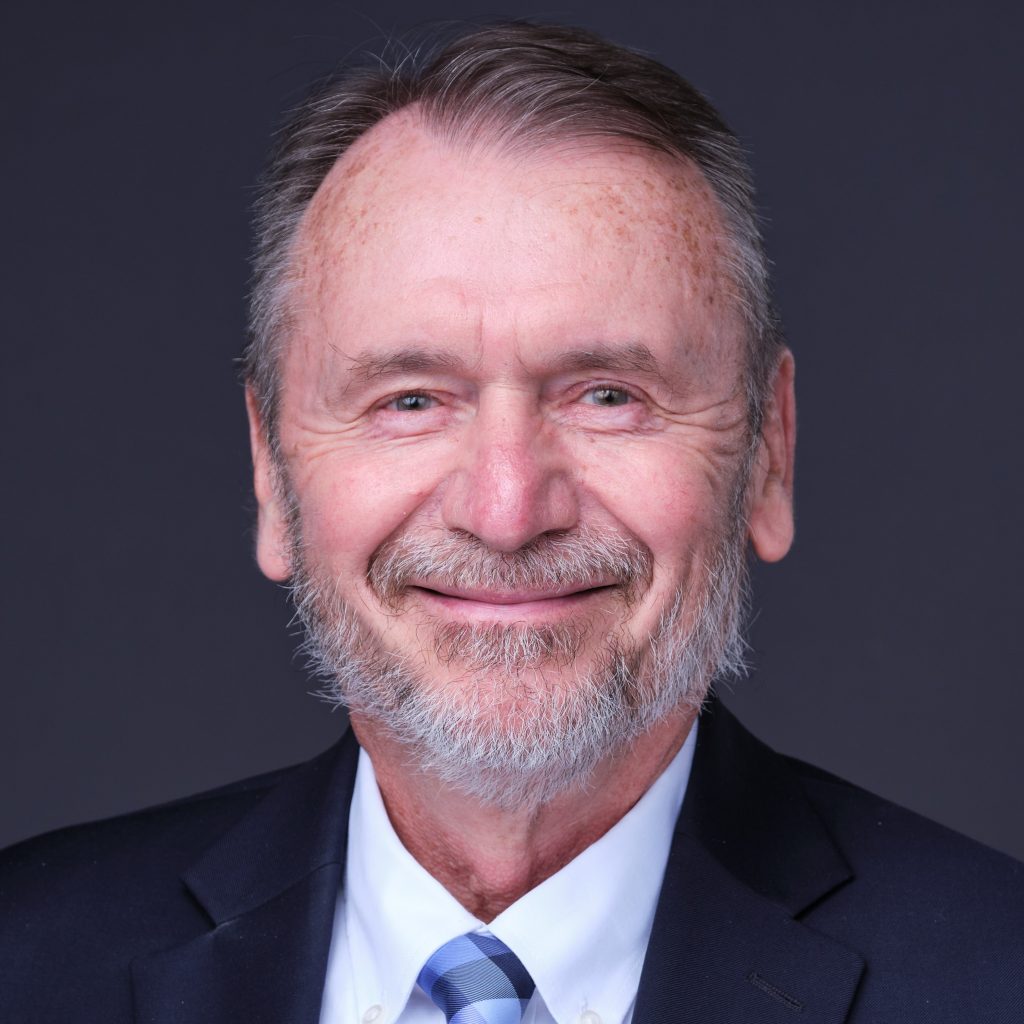
Presented to: AOAC ERP for Enzymatic Methods
Co-chairs: Sneh Bhandari, SDB Associates, Crete, Illinois, USA; and Darryl Sullivan, Eurofins Scientific, Madison, Wisconsin, USA
ERP members: Philip Haselberger (Abbott Nutrition), Abdelharam Ismail (Tate & Lyle), Ruth Ivory (Neogen), George Joseph (AsureQuality), Sima Patel (Tate & Lyle), John Szpylka (Certified Group, retired), Tom Vennard (Mead Johnson Nutrition), and Sudhakar Yadlapalli (First Source Laboratory Solutions)
The AOAC ERP for Enzymatic Methods, established in 2023 and officially launched in 2024, represents a merger of the former ERPs for Sugars and Fructan Methods and Organic Acid Methods. Since its inaugural year of operation (2024), the panel demonstrated an extraordinary level of productivity, reviewing and adopting nine methods over 11 meetings—an unprecedented achievement within a single calendar year despite occasionally facing challenges in maintaining quorum. Meetings consistently exhibited strong engagement and substantial scientific discourse.
The Expert Review Panel of the Year award is presented to an ERP that enhances the reputation of the Association and fosters the mission of AOAC INTERNATIONAL through completion of a significant milestone (e.g., First Action Method, Final Action Method, method modification). The ERP’s work demonstrates significant merit in terms of the scope of the method(s), representing a diverse and international group of stakeholders that employs an innovative approach to challenging analytical problems. Generally, a unique or particularly noteworthy aspect of the ERP’s work is highlighted as making the ERP worthy of the award, such as state-of-the-art technology or application, breadth of applicability, critical need, difficulty of analysis, or timeliness. The ERP milestone must have been completed within the three years preceding the year of the award/nomination.
Method of the Year
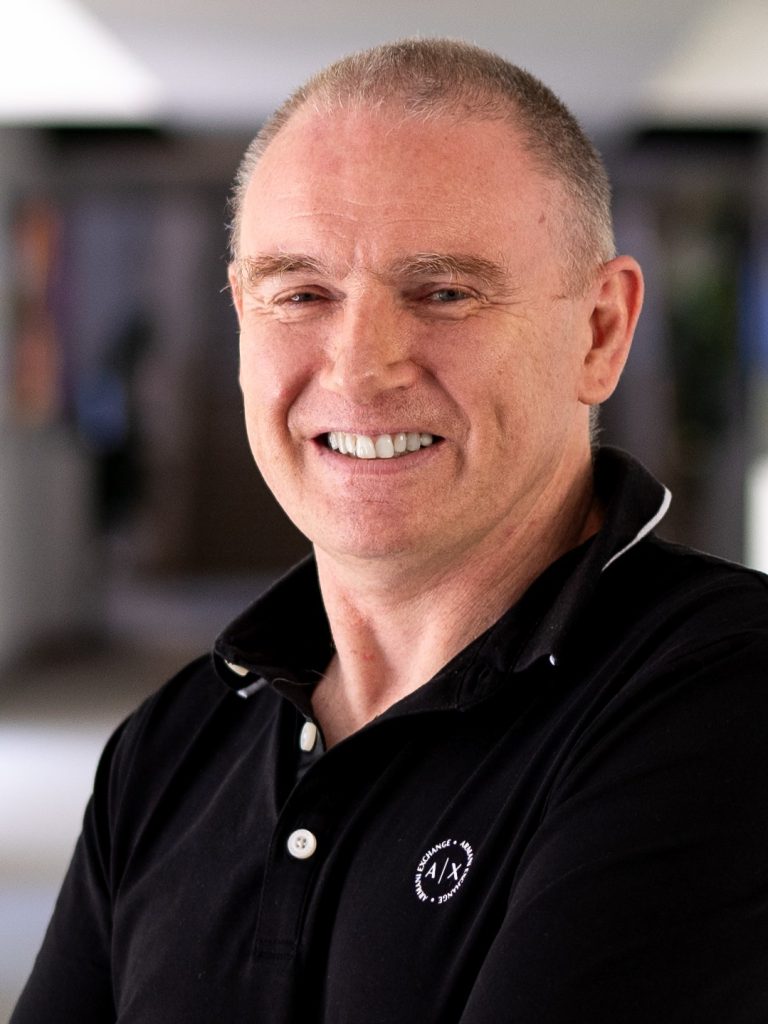
Presented for: AOAC Official MethodSM 2021.01 β-Galactooligosaccharides (GOS) in Infant Formula by UHPLC
Co-authors: Sean Austin (corresponding author) and Denis Cuany, Société des Produits Nestlé, Lausanne, Switzerland
In February 2024, as recommended by the AOAC Expert Review Panel (ERP) for the Stakeholder Program on Infant Formula and Adult Nutritionals (SPIFAN) Nutrient Methods, Official MethodSM 2021.01 was adopted as Final Action by the AOAC Official Methods Board. The method is also adopted by ISO/IDF and in various country standards. Further, discussions/preparations are underway in Codex to incorporate the method by reference.
AOAC 2021.01 offers an innovative approach to addressing challenges in analyzing GOS in products with a high background of lactose or galactose, specifically in infant formula and dairy products. The method is based on profiling oligosaccharides after labeling with 2-aminobenzamide, assuming equimolar response factors for all the oligosaccharides.
A collaborative study to assess the interlaboratory method precision demonstrated that the method is specific, fit for purpose, and continues to meet AOAC Standard Method Performance Requirements (SMPRs®). Official MethodSM 2021.01 is applicable to the measurement of GOS in infant formula (powders, ready-to-feed liquids, and liquid concentrates) from 0.2 g/100 g to 3.0 g/100 g on a ready-to-feed basis. [J. AOAC Int. 107(4), 679–692(2024), https://doi.org/10.1093/jaoacint/qsae031]
Best Manuscript Award

Presented for: “Using Liquid Chromatography—Isotope Ratio Mass Spectrometry for Detection of Economically Motivated Adulteration of Maple Syrup”
Authors: Madhavi Mantha*, Kevin M. Kubachka, John R. Urban, Jana L. Brueggemeyer, Lisa A. Kaine, and Reagan A. Patton, U.S. Food and Drug Administration, Office of the Chief Scientist, Detroit Medical Products Laboratory, Detroit, Michigan, USA
The study, “Using Liquid Chromatography—Isotope Ratio Mass Spectrometry for Detection of Economically Motivated Adulteration of Maple Syrup,” [J. AOAC Int. 107(1), 69–76(2024), https://doi.org/10.1093/jaoacint/qsad115] aims to detect low-cost sugar adulteration in maple syrup via an internal standard method using malic acid through solid-phase extraction (SPE) and LC with isotope ratio mass spectrometric detection (LC–IRMS). In this work, an optimized SPE sample preparation procedure was used for the isolation of organic acids from maple syrup. Using LC–IRMS, malic acid was separated from other organic acids. The δ13C values of malic acid were determined, used as internal standards, and compared to the δ13C values of bulk maple syrup. The method also provides lower detectable limits of adulteration compared to current literature reports using bulk analysis and similar detection limits to those of Tremblay and co-workers, who utilized an internal standard method. The study demonstrates that SPE-LC–IRMS is a robust technique and novel analysis approach for detecting adulteration in maple syrup samples for regulatory purposes.
* The award is being presented to Madhavi Mantha on behalf of all authors for the best paper published in 2024.
The Best Manuscript Award recognizes the most outstanding original and creative article published in the peer-reviewed Journal of AOAC INTERNATIONAL in the calendar year.
Section of the Year Award
Presented to: AOAC Europe Section
AOAC INTERNATIONAL is pleased to announce that the AOAC Europe Section has been named Section of the Year for its numerous activities, effective communication across various platforms, recruitment efforts, and service to the Association throughout the year. The section is being recognized for making significant strides in these areas.
The Europe Section continues to grow and is managed by a dedicated group of thought leaders who are instrumental in its success and efficient operation. Efforts in food analytical scientific challenges, particularly in bioassays and nontargeted analysis, are impressive. The Europe Section’s participation in AOAC standards development activities, such as those for PFAS, underscores the section’s proactive role in addressing critical regional issues.
Communication strategies, including a renewed website and active social media presence, are crucial for outreach and engagement. Collaborating with organizations like NMKL (Nordic-Baltic Committee on Food Analysis) to coordinate joint symposia shows the section’s dedication to fostering partnerships and knowledge sharing.
Further, revitalizing the section with new board members and inviting the AOAC Lowland Section to merge demonstrates an inclusive and forward-thinking approach.
The award recognizes an AOAC Section’s role in advancing analytical excellence in food safety, integrity, and public health.
STUDENT AWARDS
AOAC INTERNATIONAL/Eurofins Foundation “Testing for Life” Student Award

Presented to: Julia Andronache, University of Vienna, Austrian Agency for Health and Food Safety (AGES), Austria
Congratulations to Julia Andronache, a PhD candidate at the University of Vienna, Department of Analytical Chemistry, Faculty of Chemistry. Under the supervision of Prof. Margit Cichna-Markl (University of Vienna), Mag. Rupert Hochegger (AGES) and Dr. Stefanie Dobrovolny (AGES), Andronache is actively engaged in advancing analytical methods in the field of food authenticity and safety.
Conducted as part of a collaborative project between the University of Vienna and AGES, her research focuses on the development and validation of DNA metabarcoding methods for detecting seafood and insects in processed foods. These innovative systems aim to identify food adulteration and labeling violations while being compatible with workflows in official control laboratories. Andronache has successfully developed and validated five DNA metabarcoding systems, contributing to efforts to integrate molecular species identification methods into standard regulatory frameworks.
In addition to her core research, Andronache has contributed to a project on apple cultivar authentication using DNA metabarcoding and high-resolution melting analysis. She has presented her findings at national and international conferences, and parts of her research have recently been published.
Andronache’s motivation to improve food authenticity methods continues to drive her contributions toward safer and more transparent food systems.
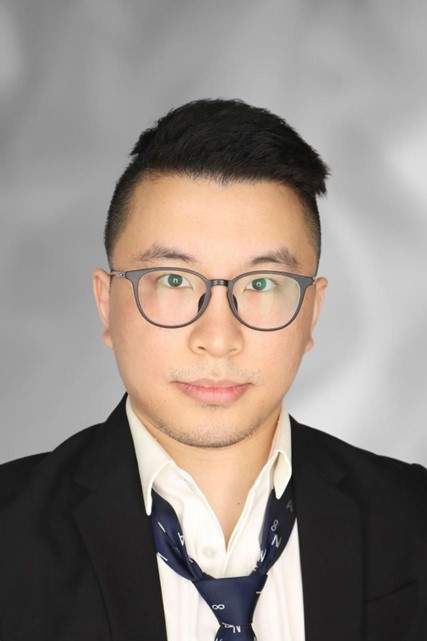
Presented to: Yihang Feng, University of Connecticut, Mansfield, Connecticut, USA
AOAC proudly presents Feng with an AOAC/Eurofins Student Award. He is a PhD candidate in the Department of Nutritional Sciences at the University of Connecticut, currently pursuing a dual master’s degree in computer science and engineering. His research focuses on developing machine learning applications for food systems, including nondestructive quality monitoring technologies and computer vision for nutritional assessment. Under the guidance of Dr. Yangchao Luo and Dr. Song Han (University of Connecticut), Feng develops innovative solutions at the intersection of AI and food science. With a diverse educational background spanning the United States, China, and New Zealand, he has authored multiple peer-reviewed publications in prestigious journals, including Trends in Food Science & Technology and Food Chemistry.
Feng has been recognized with the Margaret Ware Scholarship in Human Nutrition and actively contributes to the scientific community through conference presentations and other scholarly activities. He aspires to pioneer intelligent technologies that enhance the quality, safety, and nutritional value of food worldwide.

Presented to: Chamali Kodikara, University of Manitoba, Winnipeg, Manitoba, Canada
AOAC congratulates Kodikara, a PhD student in the Department of Food and Human Nutritional Sciences at the University of Manitoba and a graduate research affiliate at the Canadian Grain Commission. Her research, conducted under the supervision of Dr. Sheryl Tittlemier (Canadian Grain Commission) and Dr. Nandika Bandara (Department of Food and Human Nutritional Sciences, University of Manitoba), focuses on developing and comparing innovative analytical methods for detecting ergot alkaloids in wheat and exploring cold plasma processing as a novel technique to mitigate mycotoxins. Through her work, Kodikara aims to contribute globally to the safety, sustainability, and quality of cereal and grain products.
She is also deeply committed to student engagement and leadership. Kodikara is currently the vice president of Competitions for the Institute of Food Technologists Student Association (IFTSA) and has recently been named as president-elect for IFTSA. In these roles, she has worked to foster a vibrant student community and create opportunities for professional development.
Kodikara is dedicated to advancing the field of food science and mycotoxin research while promoting the growth of future leaders in the field. Her commitment to scientific innovation, community engagement, and global impact drives her work and continued contributions to the scientific community.

Presented to: Eva Czmorik Ludvickova, University of Chemistry and Technology (UCT), Prague, Czech Republic
Congratulations to Ludvickova, a first-year PhD candidate in the Food and Natural Products Program at UCT. She uses advanced liquid chromatography-mass spectrometry techniques for the targeted analysis of chemical contaminants. Her latest research highlights the presence of multiple pesticide residues and mycotoxins in commercially available freeze-dried fruit products, underscoring the crucial role of testing in safeguarding public health.
Ludvickova’s work contributes to the development of analytical methods, enabling the evaluation of the chemical safety of food processed using modern technologies. Her research provides essential data for evaluating risk assessments and formulating new regulatory strategies, ensuring that innovation in food processing does not compromise consumer well-being.

Presented to: Gururaj Moorthy, Prince of Songkhla University, Songkhla, Thailand
AOAC is proud to present a “Testing for Life” Student Award to Moorthy, a researcher specializing in seafood science and technology. With a strong background in fisheries science from Tamil Nadu Fisheries University (TNFU), India, Moorthy is currently pursuing his PhD at the prestigious International Center of Excellence in Seafood Science and Innovation (ICE-SSI) laboratory at Prince of Songkhla University. His doctoral research focuses on seafood authentication and safety through rapid and novel molecular approaches, with an emphasis on food safety compliance. His work significantly contributes to the global food industry by ensuring the quality and integrity of seafood products.
Moorthy’s current research involves detecting viable but nonculturable (VBNC) bacterial species, utilizing innovative molecular techniques for identification and characterization. Additionally, he is developing and optimizing standard extraction and characterization procedures for micro- and nanoplastics (MNPs) in crustacean fisheries. His research focuses on the development and bioengineering of rapid kits for seafood safety. He has completed projects, including development of rapid molecular assays such as colorimetric LAMP, multiplex PCR with lateral flow dipsticks, and RAA-CRISPR/Cas12a for species authentication in economically essential crustaceans.
Driven by a passion for advancing seafood safety and protection, Moorthy aspires to develop and implement cutting-edge technologies to enhance seafood quality, authenticity, and safety. In the future, he aims to conduct interdisciplinary research, strengthen consumer confidence, promote transparency, and empower the food industry with data-driven approaches to create a more resilient and competitive seafood supply chain.
The award, supported by contributions from the Eurofins Foundation, is designed to encourage student researchers who are advancing basic or applied science in analytical or molecular testing for food safety, food security, food defense, food authenticity, or health and environmental protection.
AOAC INTERNATIONAL/Herbalife Scholarship
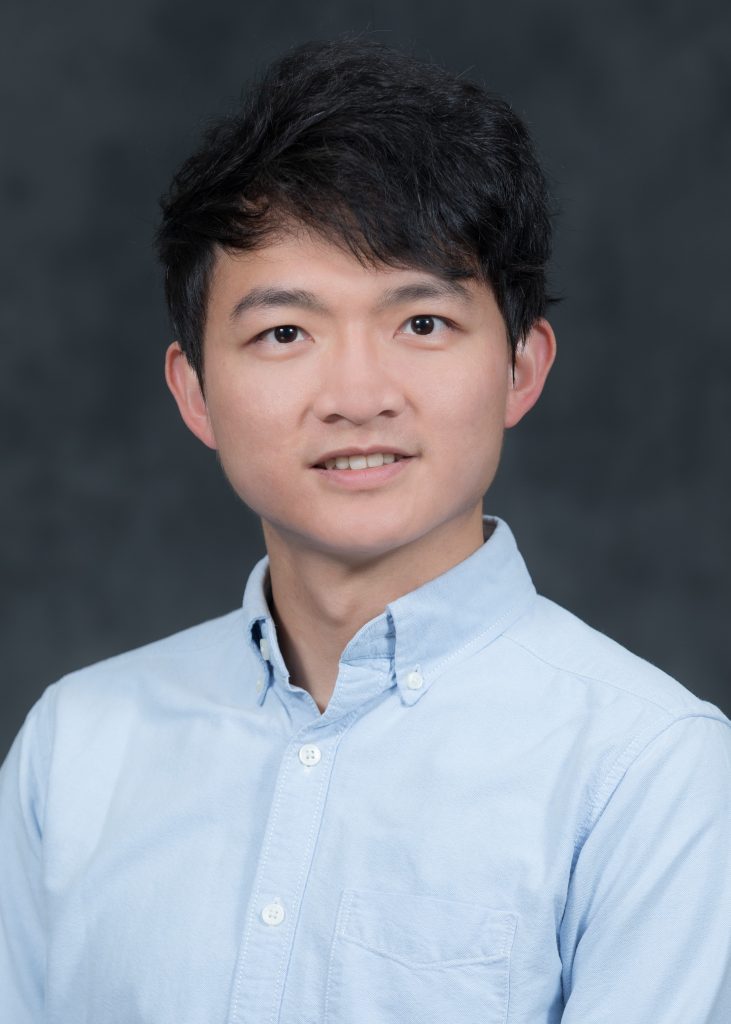
Presented to: Sheng-Luen (Kevin) Shih, University of Wisconsin-Madison, Madison, Wisconsin, USA
A recipient of an AOAC/Herbalife Scholarship, Shih is a registered dietitian nutritionist (RDN) in the United States and Taiwan, currently pursuing a PhD in nutrition and metabolism under the guidance of Dr. Bradley Bolling (University of Wisconsin-Madison). His research focuses on analyzing human metabolic responses and the bioactive profile of whey protein phospholipids concentrate (WPPC), a potential solution for choline deficiency in post-menopausal women. Shih’s work involves developing LC-MS/MS methods to characterize WPPC and conducting clinical trials (RCT) to evaluate its impact on choline status, cognitive function, and gut microbiome.
He is passionate about advancing the understanding of human metabolism and nutrient delivery to improve precision nutrition and the public’s health.
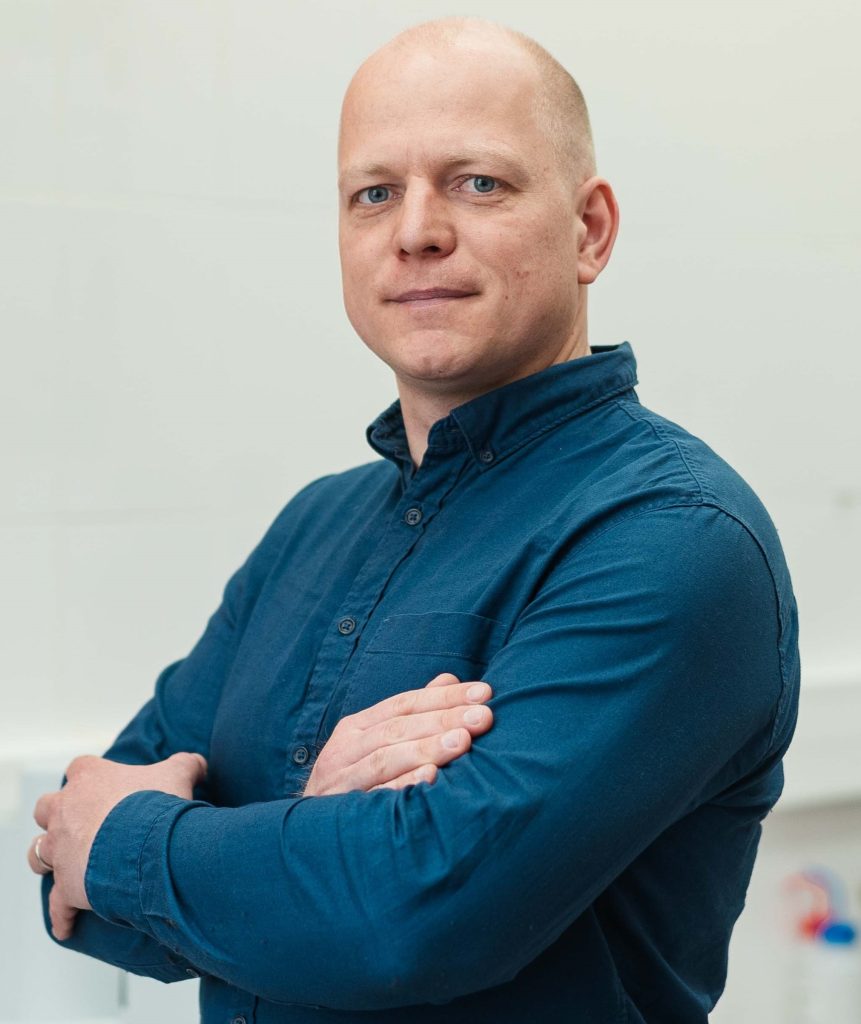
Presented to: Matej Maly, University of Chemistry and Technology (UCT), Prague, Czech Republic
AOAC congratulates Maly, a PhD candidate, specializing in the advanced characterization of plant secondary metabolites. His research focuses mainly on phytocannabinoids and other bioactive compounds from Cannabis sativa L., utilizing state-of-the-art UHPLC-HRMS/MS techniques. Maly also works in an accredited testing laboratory, where he is involved in method development for plant- and food-derived matrices. He gained international experience through research internships in Italy, Austria, and France.
The student scholarship, supported by contributions from Herbalife Nutrition, is designed to encourage student researchers to advance analytical or molecular (DNA) testing.
Fellow of AOAC INTERNATIONAL
Presented to: Salvatore Parisi, Lourdes Matha Institute of Hotel Management and Catering Technology, Kerala State, India
AOAC is proud to present a Fellow award to Dr. Parisi, who is a Visiting Professor at the Lourdes Matha Institute of Hotel Management and Catering Technology. Prior to this, he was a Visiting Assistant Professor at the Faculty of Agricultural Technology, Al Balqa Applied University, Al-Salt, Jordan (2018-2019). Parisi has been involved in academia and industry worldwide.
He has served as a member of the AOAC Official Methods Board (since 2019) and various working groups and expert review panels (since 2015), and as secretary of the AOAC Europe Section. Parisi has also been active with the Journal of AOAC INTERNATIONAL (as an editorial board member and in various other roles) and the AOAC Research Institute Q2 Program (since March 2023).
He has received nine awards and recognitions so far. Moreover, the “First Parisi’s Law of Food Degradation” has been ascribed to him after the first definition in 2002. Parisi has authored or co-authored over 330 papers, book chapters, books, and software products. He served as series editor for the SpringerBriefs in Molecular Science: Chemistry of Foods from 2013 to 2024.
In addition to AOAC, Parisi is a member of the Royal Institution of Great Britain and Islington U3A.
He obtained an MSc from the University of Palermo and a PhD from the University of Messina, Italy.

Presented to: Jeffrey Shippar, Eurofins Food Testing, Madison, Wisconsin, USA
A recipient of a 2025 Fellow of AOAC award, Shippar works as a senior technical manager at Eurofins Food Testing. In this role, he participates in the development of new methods or modifications to existing procedures for a variety of analytes throughout the business. Shippar specializes in LC-MS technologies and liquid handling automation. As principal scientist for proteomics projects, he develops or adapts methods for targeted protein analysis in dairy, nutritional supplement, and agricultural ingredients and products.
Shippar graduated from the University of Wisconsin-Madison in 2000 (molecular biology, zoology, and Spanish).
The Fellow of AOAC INTERNATIONAL award recognizes the dedication and commitment of volunteers who have served the Association for at least 10 years.
Harvey W. Wiley Scholarship
Presented to: Gaël Touchais, French Agency for Food, Environmental and Occupational Health & Safety (ANSES), University of Rennes, Doctoral School: Life and Health Sciences (ED SVS)
AOAC congratulates Touchais as this year’s recipient of the Harvey W. Wiley Scholarship. He is a current PhD student studying analytical chemistry at the French Agency for Food, Environmental, and Occupational Health and Safety (ANSES), University of Rennes, Doctoral School: Life and Health Sciences (ED SVS).
Touchais obtained a master’s degree in analytical chemistry from the University of Rennes, France, in 2020. During his university studies, he conducted research internships in the Analysis of Residues and Contaminants (ARC) Unit at the Fougères laboratory of ANSES, focused on development and validation of the accuracy profile of analytical methods using LC-MS/MS for determining veterinary drugs in food of animal origin. Since 2023, Touchais has been part of the same research unit at ANSES and is currently in his third year of thesis work.
His PhD work is a part of the European Partnership for the Assessment of Risks from Chemicals (PARC) project. His research focuses on the development of target, suspect, and nontarget screening approaches to detect and identify known and unknown chemical contaminants in animal-derived foods. Highlights include the development of a risk ranking methodology to identify biocidal active substances used through the food chain and development and validation of an LC-HRMS method and its applicability on collected samples and in a European interlaboratory comparison.
The Harvey W. Wiley Scholarship (US $1,000) is awarded to an upper-level undergraduate or graduate student to encourage and assist studies in the analytical sciences. The Harvey W. Wiley Award winner can nominate a student to receive the scholarship. Scholarship selection is based on criteria established by AOAC.
Harvey W. Wiley Award
MEMBER RECOGNITION AWARDS
25 YEARS
Chandra, Amit
Ekbote, Abhay
Fujita, Kazuhiro
Harnly, James
Hofsommer, Mikko
Lauer, Wendy
Maeijer, Robertus
Milne, Paul
Oglesby, Debra
Smith, Sammie
Vought, Kevin
30 YEARS
Chong, Russell
Hill, Norma
Niemeijer, Ronald
Reuther, John
35 YEARS
Ziemer, Wayne
40 YEARS
Novotny, Lawrence
Samter, Judythe
45 YEARS
Cartwright, Pete
DeVries, Jonathan
Meyer, Keith
Reimann, Lars
Sullivan, Darryl
50 YEARS
Jensen, Thomas
50 Year Member Award
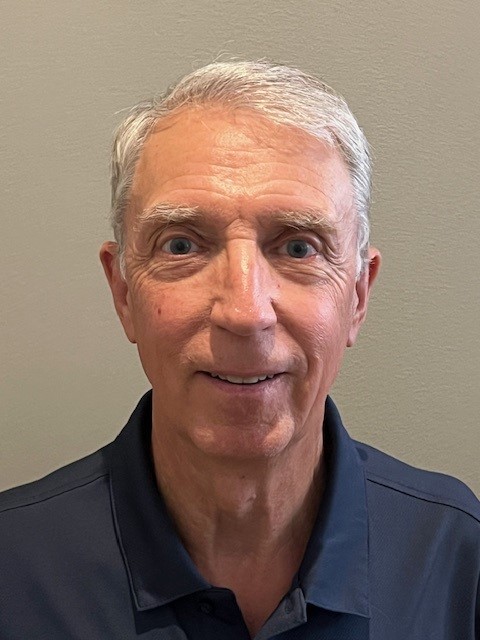
Presented to: Thomas Jensen, Retired, Nebraska Department of Agriculture, Lincoln, Nebraska, USA
AOAC proudly celebrates Jensen for his dedication and commitment as a 50-year member. He started his career with the State of Nebraska Department of Agriculture in 1974 as a lab technician. By 1975, he was a chemist performing testing on commodities using AOAC methodology. Jensen went on to serve as laboratory director from 1979 to 2012, and then as chief administrator until his retirement in 2017. During the last 10 years of his employment, he also served as the department’s homeland security officer.
As a State employee, Jensen was included on the AOAC membership roster. In his 50 years with the Association, he served in many leadership roles to advance AOAC methods, including as associate referee for Disulfoton in Pesticide Formulations (1978), general referee for Pesticide Formulations (1982), chair of the Committee on Pesticide Formulations and Disinfectants (1988), general referee for Nutrients in Soils (1989), member of the Official Methods Board (OMB; 1989), and then chair of the OMB (1992). He participated in a collaborative study on disulfoton in pesticide formulations, which was adopted as Official MethodSM 980.10.
It is no surprise that his leadership skills expanded beyond methods development and validation. In 1996, Jensen joined the AOAC Board of Directors, taking on the roles of secretary/treasurer (1999), president-elect (2000), president (2001), and past president (2002). Recently, he served on the AOAC Past Presidents Council.
2025 First-Time Poster Contest Winners
- Kevin Posman, Bigelow Analytical Services: Quantifying bromoform in feed additives, livestock and food products using robust, validated, and standardized methods.
- Tadas Kargelis, Neogen: Chromatographic Considerations and Emerging Applications in Dietary Fiber Analysis
- Alexander Schrum, Shodex (Resonac America Inc): Novel HILIC Separation of Saccharides in Dairy Products
- Armando Colorado, Midwest Laboratories: Improving Thyroid Hormone Extraction in Health Supplements and Pet Food via Microwave Assisted Enzymatic Digestion and Liquid Chromatography Tandem Mass Spectrometry
- Teresa Perez, Biosystems, S.A.: Validation of a Novel Method Based on Immunoturbidimetry for Determination of Gluten in Food and Beverage Matrixes