Peer-reviewed research: Brown et al. delivers a major breakthrough in kratom science and regulation. Using AOAC Official Method 2017.14, the study reveals that several “kratom extracts” are actually synthetic derivatives—with 7-hydroxymitragynine levels far exceeding natural occurrence.
Just Posted in the Journal of AOAC INTERNATIONAL
Elevated 7-Hydroxymitragynine Levels Found in Products Misbranded as Kratom
This study represents a critical advancement in the scientific understanding and regulatory differentiation of natural kratom from synthetic or adulterated products currently circulating in the marketplace. While Mitragyna speciosa has a well-documented history of traditional use and a relatively low harm profile, the emergence of products falsely labeled as “kratom extracts” but containing unnaturally high concentrations of 7-hydroxymitragynine (7-HMG) poses a significant threat to public health and consumer trust.
Using the AOAC Official Method 2017.14, Brown et al. provide the first verified analytical evidence that several products sold as “kratom” are in fact synthetic derivatives containing 7-HMG at levels that are orders of magnitude higher than could be accounted for by post-harvest oxidation occasionally found in kratom leaf. The study’s validated chromatographic approach revealed not only excessive 7-HMG concentrations but also the absence of native alkaloid patterns characteristic of authentic kratom leaf. For more information, read the article in the Journal of AOAC INTERNATIONAL
These findings demonstrate that such products are chemically and functionally distinct from the botanical, constituting illegal unapproved synthetic drugs rather than plant-based preparations. The implications of this work extend beyond analytical chemistry, it provides the necessary foundation for science-based regulation. By clearly differentiating authentic kratom from synthetic analogues, the authors underscore the urgent need for accurate product labeling, adherence to Good Manufacturing Practices, and enforcement mechanisms to protect consumers from adulterated products masquerading as natural botanicals.
This research will inform future policy discussions, standard-setting activities, and quality-control initiatives within both the AOAC and the broader scientific and regulatory community. Recently HHS announced that they intend schedule synthetic 7-HMG products and clearly differentiated this action from natural kratom. As these products flood the market, adverse event reports related to 7-HMG are growing as noted in the following articles:
- “Cardio-pulmonary arrest in a patient revived with naloxone following reported use of 7-hydroxymitragynine” in Clinical Toxicology
- “A Case of 7-OH Mitragynine Use Requiring Inpatient Medically Managed Withdrawal” in Journal of Addiction Medicine
It is essential this work be disseminated in a timely fashion to provide regulators the necessary tool to differentiate the legal botanical Kratom from the synthetic unapproved drugs being illegally marketed and misbranded as kratom.
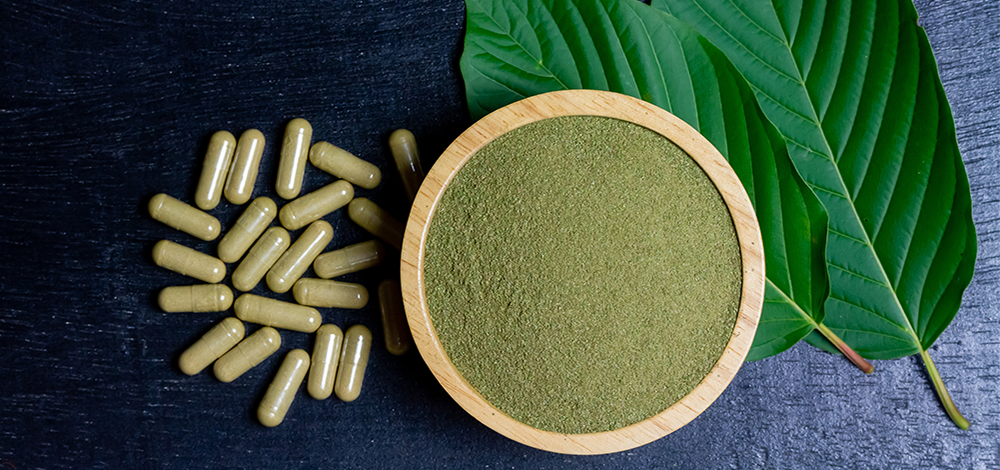
Photo by Alongkorn – stock.adobe.com