Analytical Science Leaders and More Honored at 140thAOAC Annual Meeting
AOAC recognizes hundreds of scientists who have contributed to the Association and the analytical community at the 140th AOAC Annual Meeting and Exposition in Indianapolis, Indiana, USA, on August 29 – September 2, 2026. AOAC awards honor scientific excellence across the Association’s activities, including method development, expert review panels, technical services, scientific papers, editorial contributions, and student engagement.
MEMBER RECOGNITION AWARDS
Harvey W. Wiley Award
Fellow of AOAC INTERNATIONAL
Section of the Year Award
STUDENT AWARDS
Harvey W. Wiley Scholarship
AOAC INTERNATIONAL/Eurofins Foundation “Testing for Life” Student Award
AOAC INTERNATIONAL/Herbalife Scholarship
OFFICIAL METHODSSM PROGRAM AWARDS
2026 First-Time Poster Contest Winners
Harvey W. Wiley Award
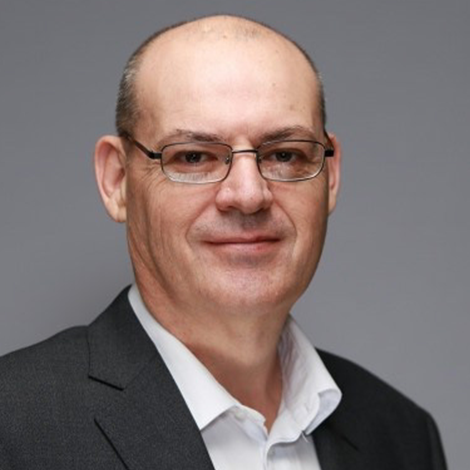
Presented to: Brendon Gill, Principal Research Scientist, Fonterra Co-operative Group, Waitoa, New Zealand
AOAC INTERNATIONAL proudly presents Brendon Gill with the 2026 Harvey W. Wiley Award, the Association’s highest honor for lifetime scientific achievement. Gill has made significant contributions to analytical chemistry, particularly in method development and validation of new analytical methods for vitamins and micronutrients in dairy products, using various techniques.
For many years, Gill has been the lead researcher and developer of numerous state-of-the-art methods to address pressing global issues in infant formula analysis. One of his key objectives in this role is to develop strategies for analyzing micronutrients in infant formula, one of the most highly regulated food products in the world. These methods must meet the speed and high-throughput demands of product release laboratories while providing the accuracy and precision required to comply with strict global regulations.
Gill served as study director for four AOAC Official MethodsSM developed as part of the AOAC Stakeholder Program on Infant Formula and Adult Nutritionals (SPIFAN) and as project leader for two AOAC standards. He is a co-author of a technical report developed within the International Organization for Standardization TC34/WG14. AOAC 2016.05/ISO 20636:2018 (vitamin D in infant formula) and AOAC 2011.20/ISO 20638:2015 (nucleotides in infant formula) were adopted by the Codex Alimentarius Commission as Type II Dispute Resolution Methods and are referenced in CXS-234 (Recommended Methods of Analysis and Sampling).
Gill obtained his Bachelor of Science, Master of Science, and PhD from the University of Waikato, New Zealand.
The Harvey W. Wiley Award, a highly esteemed recognition, acknowledges scientific excellence and offers significant benefits, including a monetary prize, an award plaque, and reimbursement of travel expenses for attending the AOAC Annual Meeting and Exposition.
Fellow of AOAC INTERNATIONAL
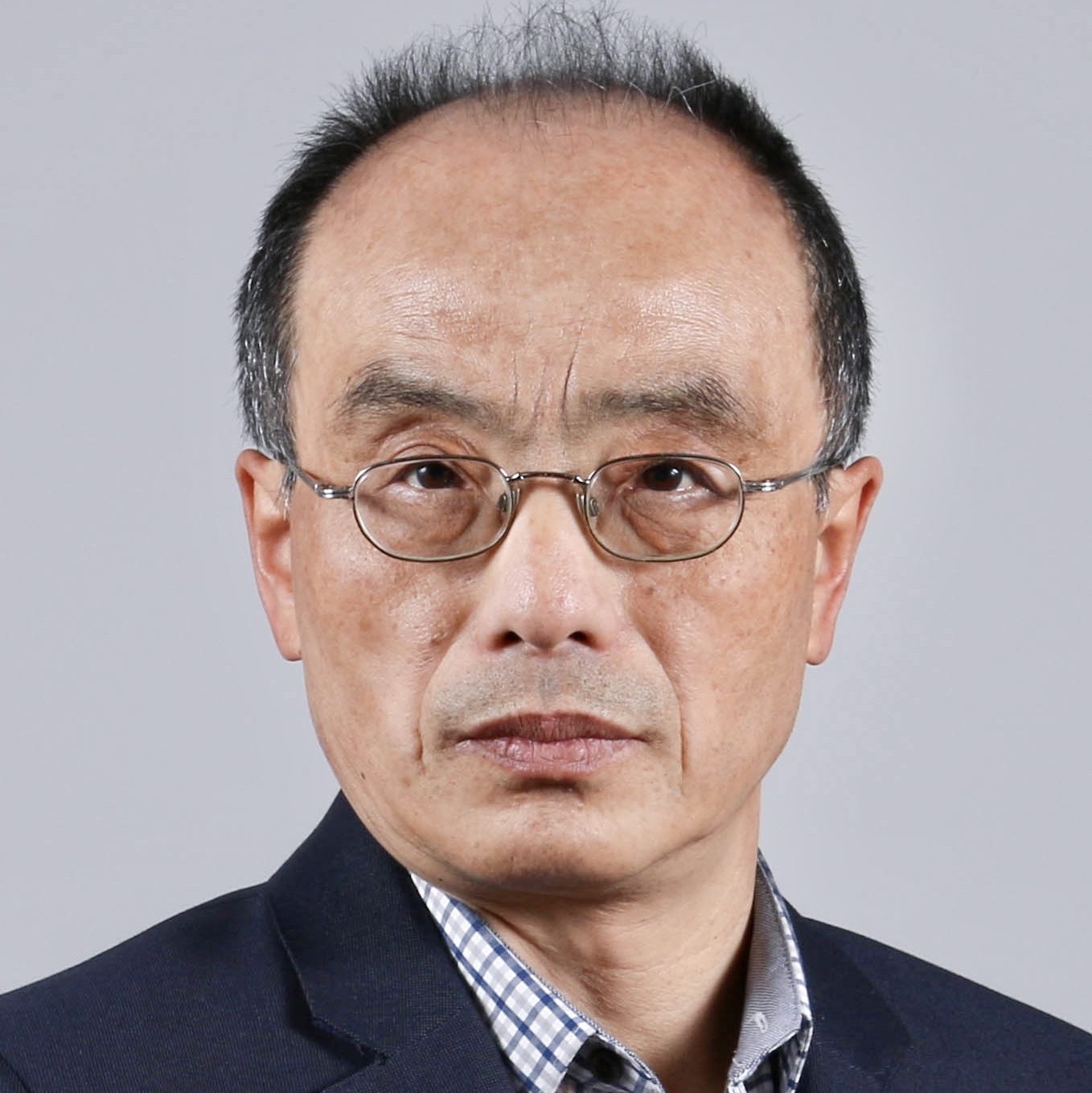
Presented to: Xu-Liang Cao, Senior Research Scientist, Food Research Division of the Bureau of Chemical Safety, Health Canada, Ontario, Canada
AOAC is proud to present a 2026 Fellow award to Xu-Liang Cao, whose work centers on identifying, quantifying, and assessing dietary exposure to organic chemicals originating from food packaging. His key activities include developing and validating new methods for detecting and analyzing targeted and nontargeted food packaging chemicals in samples from national surveys, evaluating chemical contaminants migrating from recycled plastics used in packaging, and performing dietary exposure assessments based on food occurrence and consumption data.
In 2017, Cao served on the AOAC Expert Review Panel for BPA Methods and participated in the 2010 FAO/WHO Expert Meeting evaluating BPA’s toxicological and health impacts. He is included in the 2023–2027 FAO Roster of Experts for the Joint FAO/WHO Expert Committee on Food Additives (JECFA). In 2025, Cao co-chaired the Documentation Subgroup for the AOAC Presidential Task Force on Official Methods of AnalysisSM Program. He became a section editor for the Journal of AOAC INTERNATIONAL and has served as editor-in-chief since 2022.

Presented to: Markus Lacorn, R-Biopharm AG, Darmstadt, Germany
AOAC is pleased to honor Markus Lacorn with a Fellow award. In 2008, he became head of development for ELISA test kits at R-Biopharm. By 2013, he was managing internal and external validations of R-Biopharm’s test kits, including AOAC Official Methods of AnalysisSM (OMA) and Performance Tested MethodsSM (PTM) approvals, with a focus on gluten, allergens, and enzymatic analysis. Over 15 years, Lacorn and his team have developed five PTM-certified methods, 15 methods adopted as OMA First Action, and four as OMA Final Action. He also represents method developers in key organizations like AOAC INTERNATIONAL, International Association for Cereal Science and Technology, Eurachem, Organisation Internationale de la Vigne et du Vin, International Organization for Standardization, European Committee for Standardization (CEN), German Institute for Standardization (DIN), International Society for the Study of Celiac Disease, and Codex Alimentarius.
Lacorn received his PhD in Food Chemistry in 1999 from the University of Hamburg, followed by postdoctoral research in animal physiology at the University of Stuttgart-Hohenheim.
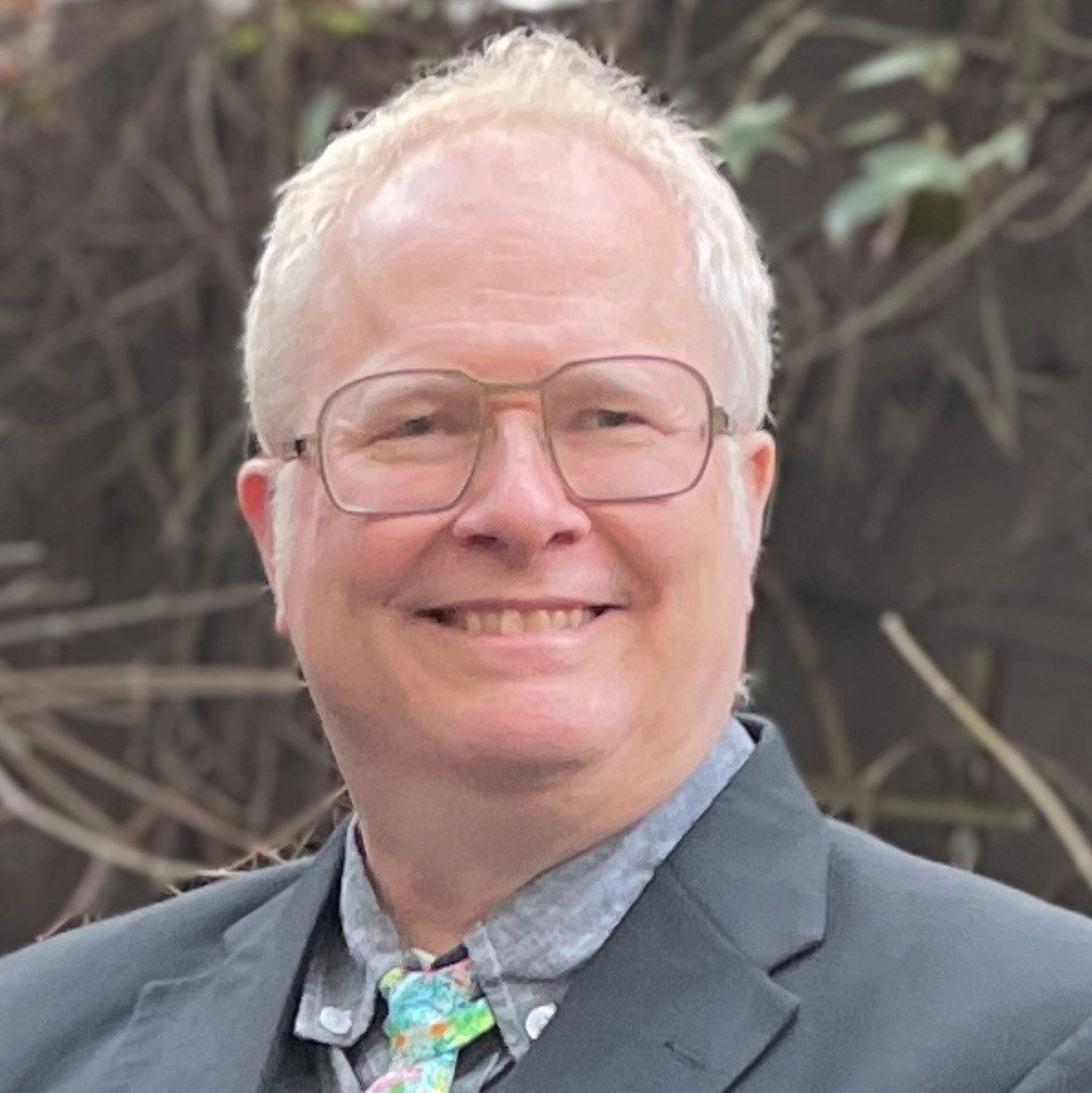
Presented to: Andrew Lienau, Food Regulatory and Validation Senior Expert, Merck KGaA, Molsheim, France
Andrew Lienau brings more than 30 years of experience in microbiology, assay development, and certification processes for pathogen detection in food.
He is part of the Technical Board for MicroVal and several ISO working groups. Currently, he co-chairs the working group revising the Microbiology Method Validation Guidelines. Lienau also serves on an AOAC expert review panel, contributing to the revision of OMA Appendix J in 2024 (AOAC INTERNATIONAL Methods Committee Guidelines for Validation of Microbiological Methods for Foods and Environmental Surfaces), MicroVal, Harmonization, and Statistics of Equivalence.
Lienau has developed AOAC Official MethodsSM for foodborne pathogens, including 992.11, 996.09, 996.10, 996.14, 997.03, 998.08, 999.09, 2002.07, 2002.11, 2005.03, 2005.04, 2005.05, 2009.03, and 2021.08. He has reviewed numerous PTM-certified methods and has served on the AOAC Research Institute Advisory Council since 2020, supporting strategic initiatives. Additionally, Lienau has authored numerous articles in the Journal of AOAC INTERNATIONAL and is active in the AOAC Cannabis Analytical Science Program (CASP) community. In 2023, he received the Method of the Year award from AOAC.
The Fellow of AOAC INTERNATIONAL award recognizes the dedication and commitment of volunteers who have served the Association for at least 10 years.
Section of the Year Award
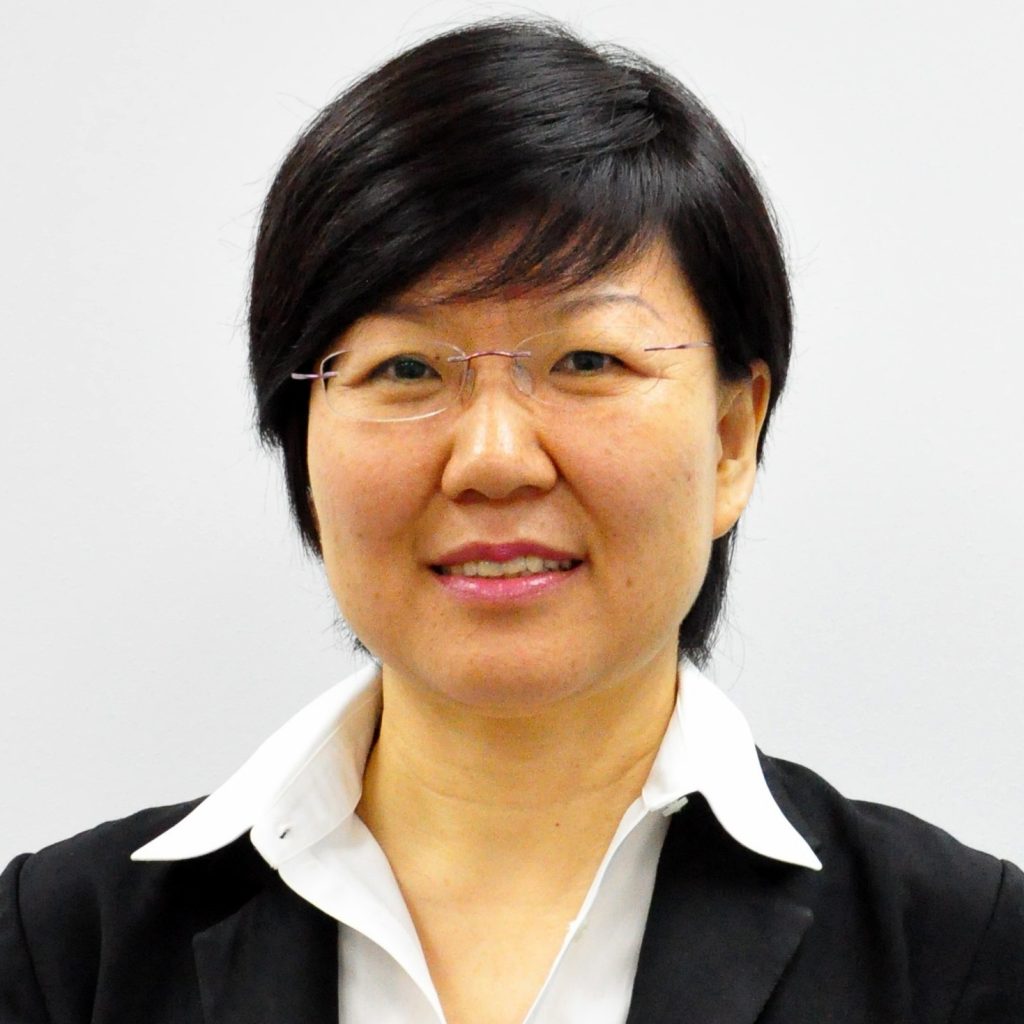
Presented to: AOAC Southeast Asia Section (Xinping Hou, President of the Southeast Asia Section)
AOAC INTERNATIONAL is pleased to announce that the AOAC Southeast Asia (SEA) Section has been named Section of the Year for making significant strides in the areas of activities relevant to the region, effective communications across various platforms, recruitment efforts, and service to the Association throughout the year.
The 2025 international workshop on mineral oil saturated hydrocarbons/mineral oil aromatic hydrocarbons (MOSH/MOAH) in foods, organized by the AOAC SEA Section’s Emerging Issues Working Group, featured regulatory insights from European experts, technical updates from technology providers, and training on current analytical methods and best practices. The workshop, held in Yogyakarta, Indonesia, drew more than 100 participants and was organized in response to high demand following the first workshop in Bangi, Malaysia, in 2024—underscoring the need for analytical solutions to this emerging issue. The MOSH/MOAH workshops demonstrate the AOAC SEA Section’s commitment to identifying emerging food safety challenges and supporting the regional analytical community through science-based approaches.
A robust communications portfolio includes a newsletter, website, and LinkedIn profile with about 2,000 followers.
The section’s Capacity-Building Working Group assists communities by organizing initiatives, such as training technical assessors from the Singapore Accreditation Council (SAC) in method validation and measurement uncertainty for food microbiology techniques in accredited laboratories.
These collaborative efforts highlight the SEA Section’s vital role in identifying analytical gaps, promoting consistency, and advancing AOAC’s mission through science-based, globally relevant solutions.
The award recognizes an AOAC section’s role in advancing analytical excellence in food safety, integrity, and public health.
STUDENT SCHOLARSHIP AWARDS
Harvey W. Wiley Scholarship

Presented to: Amber Bell, University of Waikato, Waikato, New Zealand
AOAC congratulates Amber Bell as this year’s recipient of the Harvey W. Wiley Scholarship. She holds a BSc and an MSc in Chemistry and is currently pursuing a PhD. During her undergraduate studies, Bell worked on projects examining fatty acids in cheese and pesticide residues in beeswax. She also spent a year in industry at Tata Consumer Products in London, United Kingdom, focusing on compliance testing and method development for beverage analysis. These experiences fueled her passion for analytical chemistry.
Bell’s MSc research focused on export compliance issues related to manuka honey. She developed and validated analytical methods, demonstrating that the diastase assay is not appropriate as an export standard for manuka honey. This work could benefit New Zealand’s lucrative manuka export industry.
Her PhD research focuses on how prolonged heavy-metal exposure affects honeybees. She uses techniques such as laser ablation inductively coupled plasma-mass spectrometry and RNA transcriptomics to assess environmental metal threats to pollinator health and, ultimately, agricultural sustainability.
The Harvey W. Wiley Scholarship (US$1000) is awarded to an upper-level undergraduate or graduate student to encourage and assist studies in the analytical sciences. The Harvey W. Wiley Award winner is eligible to nominate a student for the scholarship. Scholarship selection is based on criteria established by AOAC.
AOAC INTERNATIONAL/Eurofins Foundation “Testing for Life” Student Award

Presented to: Jerry Kahu, University of Nebraska-Lincoln (UNL), Lincoln, Nebraska, USA
AOAC is proud to award Jerry Kahu with the AOAC/Eurofins Student Award. Kahu, a PhD student and graduate research assistant at the Food Allergy Research and Resource Program (FARRP), is part of the Department of Food Science and Technology at UNL, working under Melanie Downs and Philip Johnson. His research involves developing a targeted mass spectrometry method to detect and quantify tree nut proteins in processed foods. He employs a bottom-up proteomics approach, combining discovery mass spectrometry with Data-Dependent Acquisition (DDA) and targeted Parallel Reaction Monitoring (PRM), to identify peptide markers for tree nut allergens. These peptides act as reliable indicators and quantifiers in targeted MS techniques. His aim is to create robust analytical workflows that enable food regulators and industry partners to enhance allergen control strategies, ultimately improving food safety.
In addition to his research, Kahu holds leadership positions at UNL. He currently serves as the chapter representative to the National Committee and as treasurer of Phi Tau Sigma, the honor society for food science and technology.
Before pursuing his PhD, Kahu spent over a decade working at Nigeria’s National Agency for Food and Drug Administration and Control (NAFDAC) as a regulatory officer and laboratory analyst. There, he analyzed food contaminants and additives, such as pesticide residues, mycotoxins, and preservatives.
Presented to: Gokulprasanth Murugan, Prince of Songkla University, Tamil Nadu, Thailand

Congratulations to Gokulprasanth Murugan, a PhD candidate in Food Science and Technology at the International Center of Excellence in Seafood Science and Innovation (ICE-SSI), Faculty of Agro-Industry, Prince of Songkla University. His research focuses on food safety, quality, packaging, and seafood biochemistry. Murugan’s doctoral work centers on developing sustainable, smart, and active food packaging by incorporating plant-based carbon dots into biodegradable films to enable real-time food quality monitoring and extend the shelf life of fishery products. He also emphasizes transforming agro-waste into high-value functional materials, addressing global issues such as food spoilage, waste, and plastic pollution through innovative, eco-friendly solutions.
Murugan received a fully funded Reinventing University Program Scholarship for his PhD. His research training included participating as an exchange student in an international program on multifunctional food packaging at the BioNanocomposite Research Center at Kyung Hee University in Seoul, South Korea.
As a prospective researcher, Murugan has published numerous papers in peer-reviewed, ISI-indexed journals and presented his work at national and international conferences. He has also served as a laboratory manager, demonstrating strong leadership and organizational skills.
Murugan’s work demonstrates a strong focus on developing analytical methods and sustainable food safety technologies, with an emphasis on smart and active packaging systems. His research integrates biodegradable materials, functional nanomaterials, and natural indicators to extend shelf life, preserve product quality, and support eco-friendly packaging options.
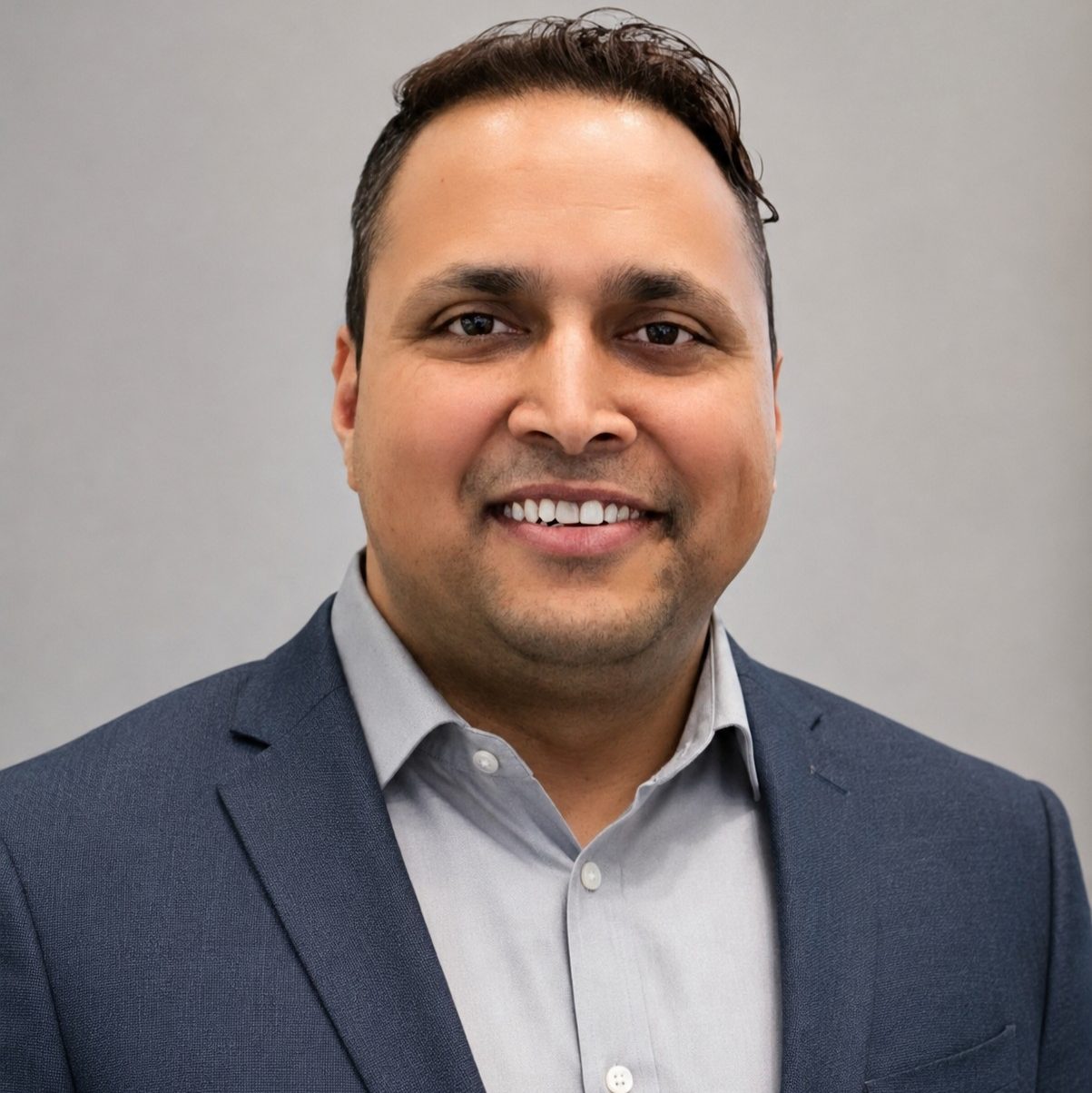
Presented to: Ujjwol Subedi, University of Maryland (UMD), College Park, Maryland, USA
AOAC is honored to present the “Testing for Life” Student Award to Ujjwol Subedi, who is a PhD student in food science, working with the USDA Agricultural Research Service’s Environmental Microbial and Food Safety Laboratory. His research focuses on developing innovative methods to enhance microbial safety in fresh produce using natural antimicrobial technologies and solutions to combat foodborne pathogens. Additionally, he is expanding his research to include microbiome science, bioinformatics, and the application of artificial intelligence in food safety and risk assessment.
Before beginning graduate studies in the United States, Ujjwol spent over seven years conducting research at Nepal’s National Food Research Center, under the Nepal Agricultural Research Council where his main focus was on food quality analysis, agricultural innovation, and food safety programs. His research has led to many peer-reviewed publications and presentations at notable scientific conferences, such as the American Society for Nutrition (ASM), International Association for Food Protection (IAFP), and Society for Risk Analysis (SRA).
In addition to his research, Ujjwol holds leadership positions at UMD and in professional groups like the Institute of Food Technologists (IFT), the International Association for Food Protection (IAFP), and the Society for Risk Analysis (SRA). These roles highlight his dedication to scientific partnership and guiding future food scientists. He has received numerous awards, such as the UMD Dean’s Fellowship, Global STEWARDS Fellowship, FMI Foundation Food Safety Auditing Scholarship, and UMD Center of Excellence in Microbiome Sciences Fellowship. Ujjwol is dedicated to developing science-based solutions that enhance global food safety and safeguard public health through innovative and cross-disciplinary research.

Presented to: Philip Junior Yeboah, University of Florida, Gainesville, Florida, USA
AOAC congratulates Philip Junior Yeboah, a PhD student in the Food Science and Human Nutrition Department at the University of Florida. He conducts research in the food microbiology lab under the guidance of Katherine Witrick and Boce Zhang. His work focuses on microbial food safety and fermentation, particularly pathogen interactions, survival, and persistence during fermentation. Currently, Yeboah investigates how pathogens adapt and survive in fermented beverages. He uses molecular, analytical, and modeling tools to study the inactivation and persistence of Salmonella under various conditions.
Yeboah has an MS in Food Sciences and has authored peer-reviewed articles, book chapters, and conference abstracts on microbial food safety and fermentation. He has participated in and presented at major conferences such as IFT, ASM, and IAFP over the years. His academic and research achievements have earned him awards like the Dean’s Prestigious Graduate Fellowship at the University of Florida Institute of Food and Agricultural Sciences (UF/IFAS). He worked as a research and development scientist at The Coca-Cola Co. as an intern in summer 2025.
His career aspiration is to become a research scientist focused on food microbiology and safety, with the goal of advancing microbial food safety and fermentation science and translating research into practical industry solutions.
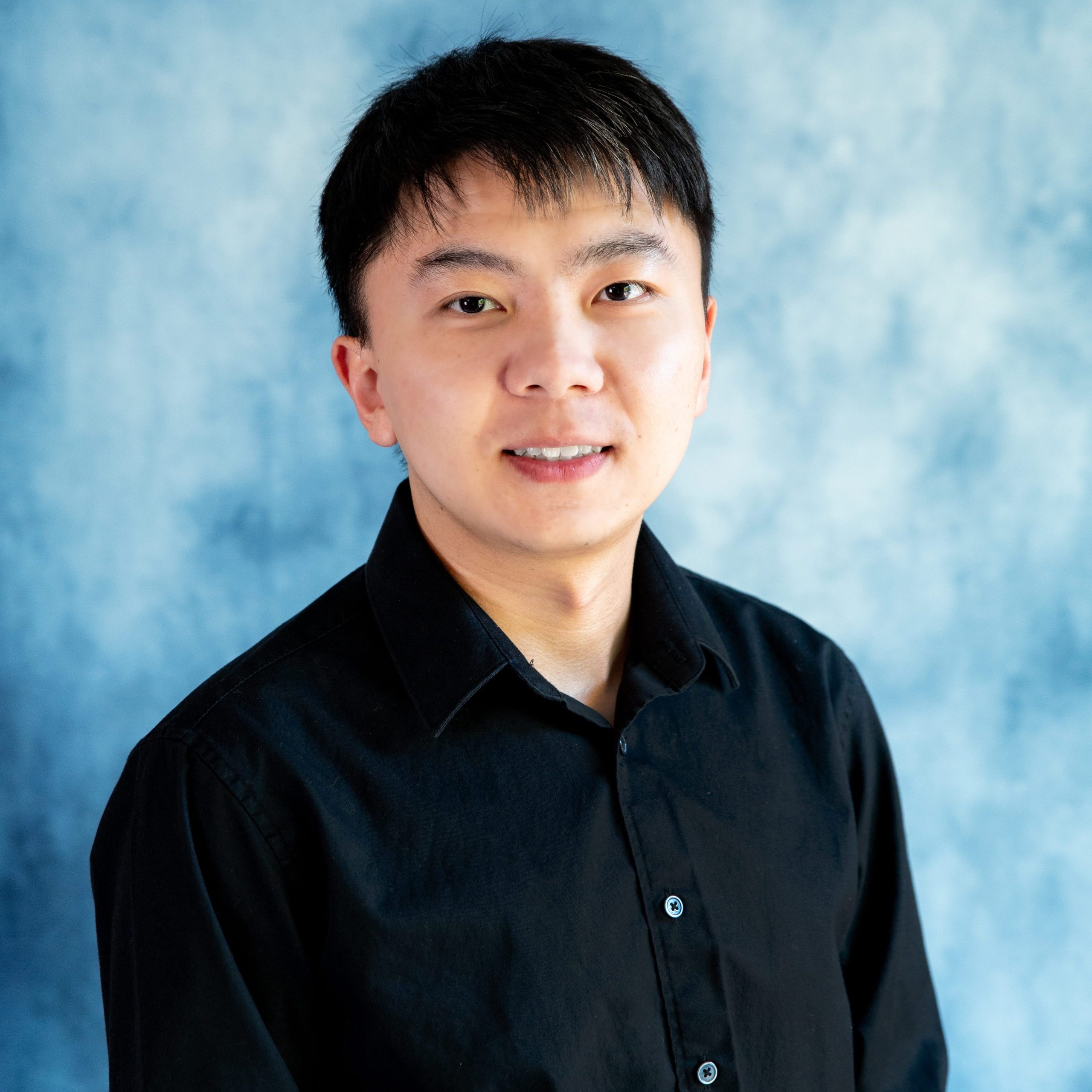
Presented to: Tongzhou Xu, University of Georgia, Athens, Georgia, USA
Congratulations to Tongzhou Xu, a recent PhD graduate in Food Science at the University of Georgia, Center for Food Safety. Under the guidance of Xiangyu Deng, Xu’s research centers on food safety microbiology, emphasizing how human pathogens interact with plant-associated microbes on fresh produce. His doctoral research examines how Pseudomonas fluorescens A506 can biocontrol Escherichia coli O157:H7 on romaine lettuce. Using microbiological experiments and dual-species transcriptomics, he has uncovered mechanisms of pathogen suppression on plant surfaces, especially the influence of metal stress and changes in bacterial physiology in reducing pathogen survival.
Alongside his dissertation, Xu has worked in bacterial genomics and transcriptomics and has contributed to pathogen population genomics projects. He has presented at various national and international conferences and has received recognition for both his research and communication skills. Xu will pursue his postdoctoral research at the University of Georgia, concentrating on microbial interactions and food safety.
The award, supported by contributions from the Eurofins Foundation, encourages student researchers to advance basic or applied science in analytical or molecular testing for food safety, security, defense, authenticity, environmental protection, and health.
AOAC INTERNATIONAL/Herbalife Scholarship

Presented to: Dara Lorainne Pierre, University of Surrey, Oxfordshire, United Kingdom
AOAC is excited to present Dara Lorainne Pierre with an AOAC/Herbalife Student Scholarship. Pierre is a Grenadian final-year doctoral candidate in analytical and environmental chemistry. Her project explores a new, rapid, and sustainable approach to testing pesticides in biological, environmental, and food matrices using ambient ionization mass spectrometry, with a focus on atmospheric solids analysis probe-mass spectrometry (ASAP-MS).
Before starting her doctoral studies, Pierre worked as a Good Laboratory Practice study director at an analytical chemistry laboratory, where she managed projects in accordance with OECD/SANCO/CRD standards and oversaw method development, validation, and stability studies for pesticide formulations. This experience inspired her to pursue doctoral research focused on pesticide testing.
Pierre’s work extends beyond research to include science communication; equity, diversity, and inclusion (EDI) initiatives; and support for the mental health of minoritized groups. She has spoken at national and international conferences and public events, including those organized by the Society of Environmental Toxicology and Chemistry and Pint of Science. Pierre also served as editor-in-chief of the Surrey Black Scholars Newsletter, is a trained mental health first aider, and mentors through the Royal Society of Chemistry. She actively participates in early-career scientist committees and remains committed to advancing research, EDI efforts, and science outreach.
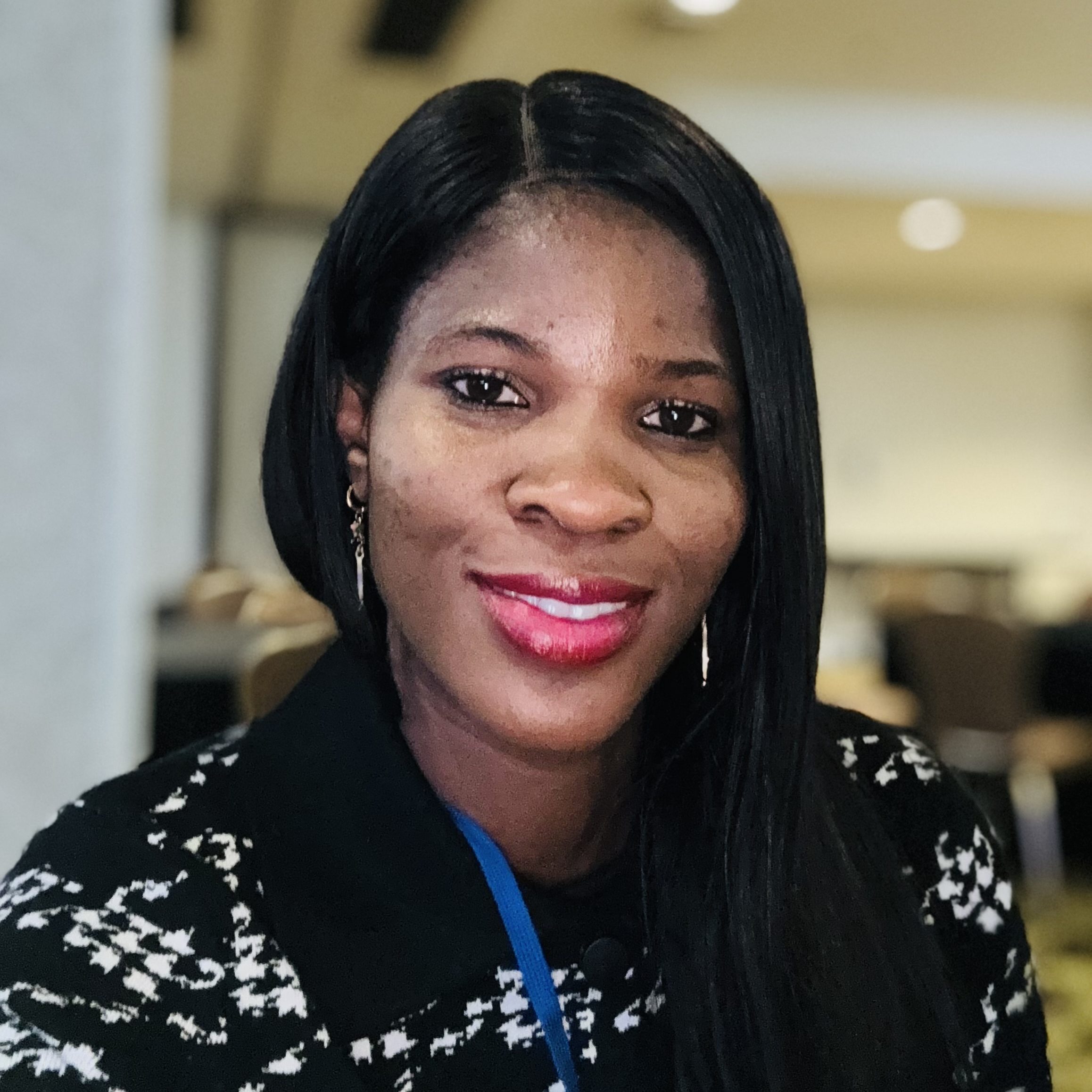
Presented to: Opeyemi Ogedengbe, University of Maryland (UMD), College Park, Maryland, USA
Opeyemi Ogedengbe, a recipient of an AOAC/Herbalife Scholarship, is a PhD candidate in the Department of Nutrition and Food Science at UMD. She holds a master’s in biochemistry and a bachelor’s in medical biochemistry from the University of Benin, Nigeria.
Her doctoral research examines the influence of nutrition, the gut microbiome, and bioactive compounds in food on the prevention of obesity and diabetes. She is dedicated to advancing nutrition science through translational and food-based strategies for chronic disease prevention. Ogedengbe has engaged in numerous research and professional development initiatives and has received various prestigious fellowships and awards, such as the UMD Global STEWARDS fellowship and the Council for Responsible Nutrition-ASN Foundation Program Scholar.
After completing her degree, she aims to become a leading nutrition scientist, capable of conducting translational research to create safe, evidence-based dietary interventions that prevent and treat metabolic diseases and enhance public health. She also actively mentors and trains upcoming scientists.
The student scholarship, supported by contributions from Herbalife Nutrition, is designed to encourage student researchers to advance analytical or molecular (DNA) testing.
OFFICIAL METHODSSM PROGRAM AWARDS
The AOAC Official MethodsSM Program awards recognize significant contributions and meritorious volunteer service to the AOAC analytical sciences community.
Expert Review Panel (ERP) of the Year

Presented to: AOAC ERP for PFAS in Food Methods
Chair: Jean-Francois Halbardier, Cargill, Brussels, Belgium
ERP members: Michael Chang, Agilent Technologies; Lorna De Leoz, Agilent Technologies; Elizabeth Denly, TRC; Thierry Delatour, Société des Produits Nestlé; Jonathan Draher, Abbott Nutrition; Susan Genualdi, U.S. Food and Drug Administration (FDA); Ashley Griffin, Nestlé U.S.; Lilut Ispiryan, Axel Semrau, Trajan Scientific and Medical; Laure Joly, Sciensano; Holly Lee, SCIEX; Ivan Lenov, U.S. Department of Agriculture; William Lipps, Shimadzu Scientific Instruments; Kari Organtini, Waters Corp.; Ujwal Patil, Abbott Nutrition; Amandeep Sandhu, Illinois Institute of Technology; Alicia Stell, CEM Corp.; Xanthippe Theurillat, Société des Produits Nestlé; Lukas Vaclavik, Eurofins Scientific; and Wendy Young, FDA
In its first year of operation, the AOAC ERP for PFAS in Food Methods demonstrated exceptional scientific rigor and efficiency in addressing a critical analytical need. The ERP undertook extensive data review and provided in‑depth interpretation of complex single‑laboratory validation studies, resulting in the approval of four methods for First Action status, each meeting the requirements of AOAC SMPR® 2025.001. The panel also initiated preparations for collaborative study protocol evaluation, reflecting a proactive commitment to advancing these methods toward Final Action.
In recognition of significant productivity, technical excellence, and meaningful contributions in its inaugural year, the Official Methods Board is proud to honor the AOAC ERP for PFAS in Food Methods as the 2026 ERP of the Year.
The Official Methods Board presents the Expert Review Panel of the Year award to an ERP that enhances the reputation of the Association and advances the mission of AOAC INTERNATIONAL through completion of a significant milestone (e.g., First Action Method, Final Action Method, method modification). The ERP’s work demonstrates significant merit in terms of the scope of the method(s), representing a diverse and international group of stakeholders that employs an innovative approach to challenging analytical problems. Generally, a unique or particularly noteworthy aspect of the ERP’s work is highlighted as making the ERP worthy of the award, such as state-of-the-art technology or application, breadth of applicability, critical need, difficulty of analysis, or timeliness. The ERP milestone must have been completed within the three years preceding the year of the award/nomination.
Method of the Year
Method of the Year (Chemistry)
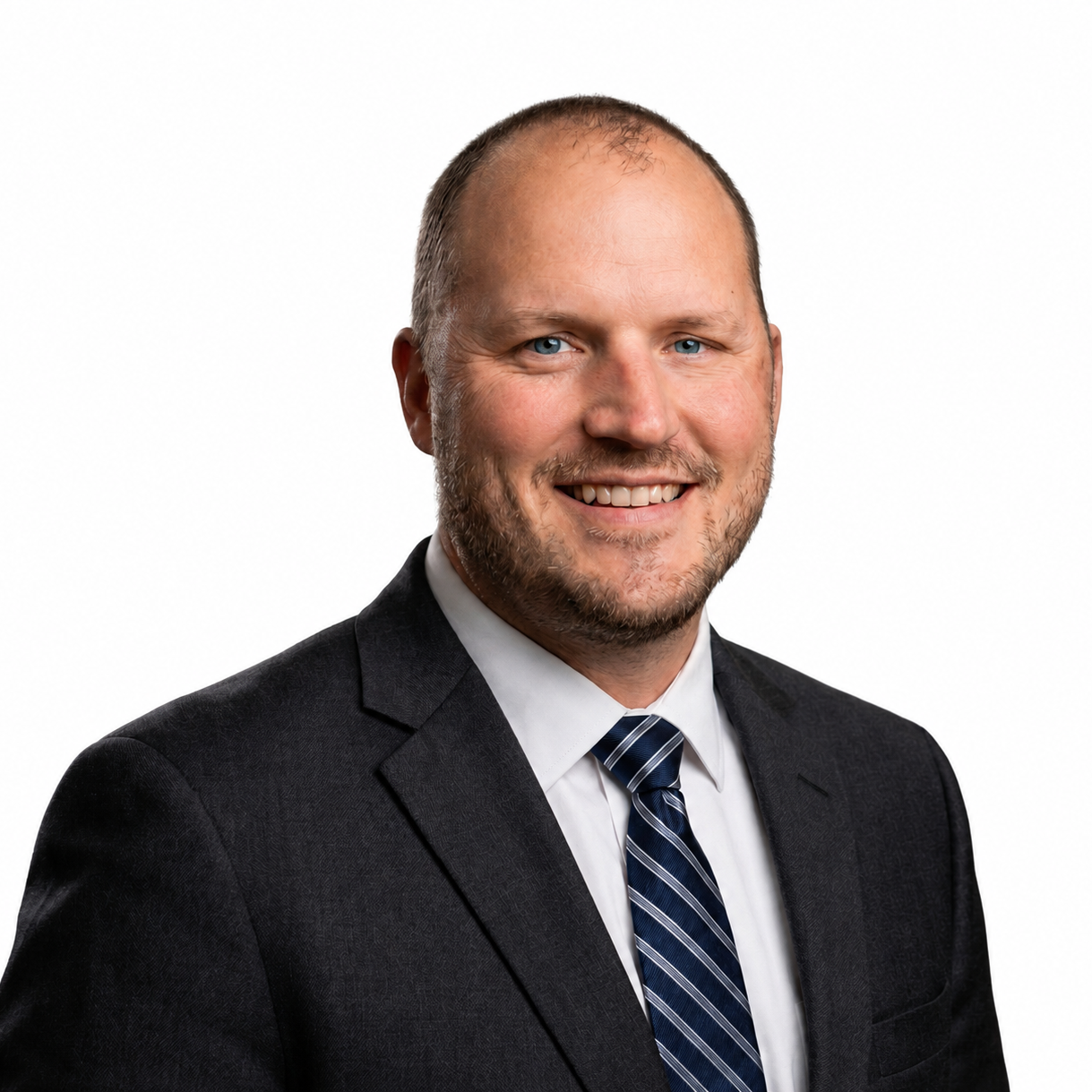
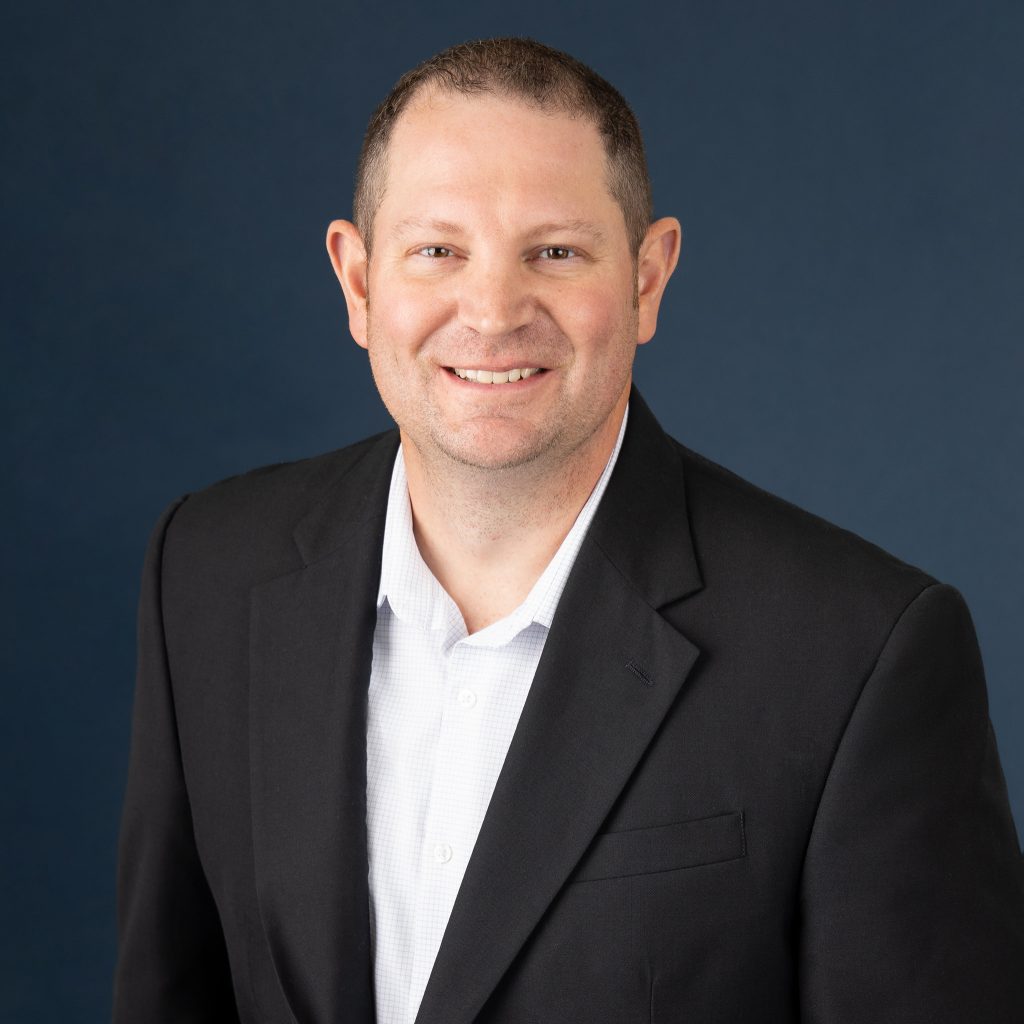
Presented to: AOAC Official Method 2018.16, Sugar Profile in Food, Dietary Supplements, Pet Food, and Animal Feeds
Method Co-Authors: Andrew J. Ruosch and David J. Ellingson, Eurofins Food Chemistry Testing, Madison, Wisconsin, USA
AOAC Official Method AOAC 2018.16, Sugar Profile in Food, Dietary Supplements, Pet Food, and Animal Feeds, is recognized for its innovative use of high‑performance anion‑exchange chromatography with pulsed amperometric detection to deliver a single, robust method capable of quantifying individual sugars across an exceptionally wide range of matrices, including foods, dietary supplements, pet foods, and animal feeds.
The method underwent an extensive multi‑laboratory collaborative study involving 11 laboratories across three countries, demonstrating strong repeatability, reproducibility, and flexibility across different instrumentation. The study results met the performance requirements of AOAC SMPR® 2018.001, and the method was refined to include enhanced system‑suitability guidance to support consistent performance across diverse products.
By addressing a long-standing analytical gap and providing a scientifically rigorous, broadly applicable solution for sugar‑profile determination, AOAC Official Method AOAC 2018.16 was adopted as Final Action.
Method of the Year (Microbiology)

Presented to: AOAC Official Method 2021.02, Salmonella Species in a Broad Range of Foods and Selected Environmental Surfaces
Corresponding Author and Lead Study Author: Evangelos Vandoros, Oxoid Remel Microbiology, Basingstoke, United Kingdom
Method Manuscript Co-Authors and Team: Wesley Thompson, Q Laboratories; M. Joseph Benzinger Jr, Q Laboratories; Daniel Thomas, Oxoid Remel Microbiology; Annette Hughes, Oxoid Remel Microbiology; Dean Leak, Oxoid Remel Microbiology; David Crabtree, Oxoid Remel Microbiology; Jessica Williams, Oxoid Remel Microbiology; Erin S. Crowley, Neogen Corp.; Katharine Evans, Hygiena; Danièle Sohier, Hygiena; and Ana-Maria Leonte, QbD Group
AOAC Official Method 2021.02, Salmonella Species in a Broad Range of Foods and Selected Environmental Surfaces, is recognized for its broad applicability and strong performance across an extensive range of foods and environmental surfaces using PCR (Oxoid Remel MicrobiologyTM SureTectTM Salmonella species PCR Assay). While the underlying PCR technology is well established, the method’s demonstrated capability to detect Salmonella in large 375 g test portions—including challenging low‑moisture and high‑fat matrices such as cocoa powder, cocoa butter, cocoa liquor, dark chocolate, fresh bagged spinach, and raw beef trim—represents a noteworthy advancement in food safety testing.
The collaborative study confirmed reproducibility across multiple laboratories and PCR platforms, with results equivalent to FDA/BAM, USDA/MLG, and ISO reference methods and false‑positive and false‑negative rates below 2%.
For its broad scope, rigorous validation, and meaningful contribution to improving Salmonella detection in difficult matrices, the method was adopted as Final Action for the original manual workflow. In 2024, an automated workflow was added which further enhances efficiency and consistency for high‑throughput laboratories.
The Official Methods Board (OMB) recognizes one or more methods published in the Official Methods of Analysis of AOAC INTERNATIONAL (OMA) that enhance the reputation of the association and advance the mission of AOAC INTERNATIONAL. The methods must demonstrate significant merit in scope and/or be an innovative approach to an analytical challenge.
Technical Service Award

Wendy McMahon is recognized for exemplary service, leadership, and technical contributions to AOAC INTERNATIONAL. As chair of the Committee on Safety and Security and former chair of the Safety and Security Working Group, she helped advance key resources, including Appendix B: Guidelines to Laboratory Safety, Risk Assessment Guide, and the Safety and Security review form for method evaluations. A 25-year AOAC member, McMahon has chaired and served on the AOAC Expert Review Panel (ERP) for Microbiology Methods for Food and Environmental Surfaces, contributed to numerous working groups and committees, and co-chaired the Presidential Task Force on OMA Documents Subgroup. Her sustained commitment, scientific expertise, and dedication to analytical integrity have strengthened AOAC’s programs and community.

Elizabeth Mudge is recognized for sustained and impactful service to AOAC INTERNATIONAL through her leadership, technical expertise, and broad volunteer engagement. A method author and active contributor across stakeholder programs, working groups, and ERPs, she brings a strong commitment to scientific integrity and method excellence. As a current member of both the Official Methods Board (OMB) and Technical Division on Reference Materials Executive Committee, Mudge provides thoughtful guidance and dependable technical leadership. She has also played a key role in the OMB Volunteers Working Group, helping strengthen volunteer engagement and support across AOAC programs. Her collaborative spirit, scientific expertise, and dedicated service continue to advance the quality and effectiveness of AOAC’s mission.

Joseph Russell is recognized for his significant contributions to AOAC INTERNATIONAL in molecular biology, genomics, biodetection, biosurveillance, and synthetic biology. His expertise in sequencing technologies, methods, and standards has strengthened working group discussions and helped shape high-quality outputs valued across the membership. He played a key role in leading the development of the STRATUM framework for metagenomic standards and contributed substantially to AOAC SMPR 2026.001 for the identification of microorganisms in food and environmental samples by metagenomic sequencing. Through more than four years of dedicated service, Russell has helped lay important groundwork for future method development, AOAC guidelines, and Official MethodsSM related to next-generation sequencing. His sustained engagement, technical insight, and commitment to scientific integrity have meaningfully advanced AOAC’s programs and the broader analytical community.

Elliot Ryser is recognized for his long-standing and exemplary service as an expert reviewer for microbiology methods within the AOAC Research Institute. His reviews of protocols, reports, and package inserts are consistently thorough, timely, and scientifically insightful, reflecting a deep commitment to analytical integrity. During the 2025 federal government shutdown, when microbiology volunteer experts were unavailable, Ryser stepped forward as the sole volunteer expert to ensure that critical review activities could continue. Over five weeks, he completed reviews for four essential methods, preventing significant delays in method availability and helping sustain uninterrupted Research Institute operations. His willingness to serve under exceptional circumstances, together with the quality and reliability of his contributions, exemplifies the dedication and professionalism honored by this award.
The AOAC Technical Service Award recognizes volunteers who have provided exemplary, sustained, and technically proficient service that strengthens AOAC INTERNATIONAL’s programs and upholds the scientific integrity of the Association. These individuals offer timely expert guidance, dependable support, and meaningful contributions that advance AOAC’s mission and its community of practice.
Award in Recognition of Technical and Scientific Excellence

Presented to: AOAC Gluten and Food Allergens Program – Working Group on Gluten Method Validation Guidelines
Chair: Laura Allred, Gluten Intolerance Group, Olympia, Washington, USA
Working Group Members: Jennifer Canale, U.S. Food and Drug Administration (FDA); Michelle Colgrave, CSIRO; Melanie Downs, Food Allergy Research and Resource Program, University of Nebraska-Lincoln; Luke Emerson-Mason, Bia Diagnostics Laboratories; Katherine Fiedler, FDA; Richard Fielder, Bio-Check (UK); Patricia Galan, ZEULAB; Carlos Galera, Hygiena; Steven Gendel, Gendel Food Safety LLC; Samuel Godefroy, FSAA-University Laval; Terry Goddard, Envirologix; Ashley Green, National Institute of Standards and Technology (NIST); Simon Hird, Waters Corp. (retired); Lawrence Hone, ALS Laboratories; Gabrielle Jackson, Neogen Corp.; Philip Johnson, University of Nebraska, Lincoln; Diana Kavolis, Hershey (retired); Amy Keller, Gluten Free Watchdog, LLC; Ido Keren, Independent Consultant; Kimberlee Klosowski, Danone North America; Chamali Kodikara, University of Manitoba; Jasmine Lacis-Lee, BVAQ; Markus Lacorn, R-Biopharm AG; Siheng Li, Eurofins; Linda Monaci, CNR; Herve Mwizerwa, International Potato Center; Sneha Nathani, Avena Foods; Brian Nelson, Medallion Laboratories/General Mills; Yasutaka Nishiyama, Research Institute for Quality Living Co. Ltd.; Rakhi Panda, FDA; Melissa Phillips, NIST; Roland Poms, BOKU; Bert Popping, FOCOS; Qinchun Rao, Florida State University; Adrian Rogers, BioCheck; Brooke Roman, Neogen Corp.; Cristina Romero, Romer Labs; Katharina Scherf, Karlsruhe Institute of Technology (KIT); April Schumacher, Neogen Corp.; Zachary Schwingel, Neogen Corp.; Jennifer Sealey-Voyksner, ImmunogenX, Inc.; Girdhari Sharma, FDA; Jeffrey Shippar, Eurofins US; Daniel Smieszek, Nestlé; Amanda (Mandy) Sperry, Neogen Corp.; Christy Swoboda, DSM; Tricia Thompson, Gluten Free Watchdog, LLC; Arthur Trombley, EnviroLogix, Inc.; Marjan van Ravenhorst, Allergenen Consultancy; Michael Walker, Michael Walker Consulting Ltd.; Robyn Walker, I2FAST Ltd.; Paul Wehling, ChemStats Consulting; Thomas Weiss, R-Biopharm AG; and Cinthia Anyela Ramos Ynjante, Inspectorate Services Peru S.A.C.
The AOAC Gluten and Food Allergen (GFA) Program Working Group on Gluten Method Validation Guidelines is honored for producing a substantial and highly influential body of qualitative and quantitative validation guidance that strengthens AOAC INTERNATIONAL’s analytical foundation for gluten methods. Through extensive scientific collaboration, the working group developed comprehensive guidelines applicable to both proprietary and nonproprietary candidate methods, including those seeking OMA status or PTM certification.
This work provides the AOAC community with clear, harmonized validation protocols essential for evaluating gluten methods with consistency and scientific rigor. By addressing a critical need for robust and practical guidance, the working group delivered tools that will support method developers, reviewers, and stakeholders across the global analytical community.
The Official Methods Board (OMB) awards the Award in Recognition of Technical and Scientific Excellence by recognizing teamwork that enhances the reputation of the association and fosters the mission of AOAC INTERNATIONAL through publication of a major document or other body of work demonstrating a unique or particularly noteworthy level of technical and scientific expertise. The OMB determines that team product demonstrates significant merit as to the scope of the project, the involvement of a diverse and/or international group of stakeholders and/or an innovative approach to difficult analytical challenges.
Technical Division on Reference Materials Award

Presented to: Roy Upton, American Herbal Pharmacopeia (AHP), Sequel, California, USA
Roy Upton is the president and editor at AHP, a nonprofit, nongovernmental organization dedicated to developing quality control standards for botanical ingredients. He has been working and practicing professionally as an herbalist since 1981. Upton is trained in Ayurvedic, traditional Chinese, and Western herbal medicine and has also studied extensively with Native American and Caribbean ethnobotanical traditions.
He serves on numerous national and international expert and advisory committees, the editorial board of many journals, and holds adjunct positions with Sonoran University; Department of Chemistry and Biochemistry at the University of California, Santa Cruz; Tehran University of Medical Sciences, Tehran, Iran; and Institute of Ben Cao Gang Mu at the Beijing University of Chinese Medicine.
The Technical Division on Reference Materials (TDRM) Award recognizes contributions and encourages active participation of TDRM members. The award is presented annually to a suitable candidate who has made an outstanding contribution to the use of reference materials in a unique or unusual manner or to the development of reference materials for laboratory use, or who has promoted the use of reference materials through lectures, papers, personal contacts, and/or meetings leading to the achievement of improved science.
2026 FIRST-TIME POSTER CONTEST WINNERS
- Weston Umstead, Daicel Chiral Technologies: “Extending Routine Amino Acid Analysis with Simultaneous Quantitative and Chiral UHPLC Separation”
- Mitra Vashi, U.S. Food and Drug Administration (FDA): “Determination of delta ¹³C/¹²C Ratios in Isolated C4 Sugars and Citric Acids from Pomegranate Juice Using Combustion Module-Cavity Ring-Down Spectroscopy
- Jing Yi, Herbalife: “Quantification of Low-Level Methylcobalamin in Nutritional Raw Material and Finished Product by LC–MS/MS Using Standard Addition Calibratio”
- Mei Huang, Grain Research Laboratory Canada: “Development of Engineered Whole-Grain Reference Material Mimics to Assess Sample Preparation Variance in Proficiency Testing
- Claudia Martinez Lopez, FDA: “Development of a Colorimetric Method for the Detection of Chromium (VI) in Turmeric and Cinnamon”
MEMBER RECOGNITION AWARDS
25-YEAR MEMBER
Aldo Baccarin
Vanessa Cook
Satoshi Fukuda
Todd Marrow
Dojin Ryu
Frank Spiegelhalter
Yoshiyuki Tokiwa
John Travis
Pathik Vyas
Paul Wehling
30-YEAR MEMBER
Emilia Rico-Munoz
Karl Schmitt
Michael Young
35-YEAR MEMBER
Rafael Amon
Chuck Bird
Thomas Hammack
Michael Reuter
Wayne Wolf
45-YEAR MEMBER
Steven Layng
AOAC congratulates all the winners of the 2026 AOAC awards!